
Let’s be honest—ice baths used to feel like something only elite athletes or pro teams had access to. You’d see clips of players sitting in steaming cold tubs and think, “Yeah… not happening in my bathroom.”
But here’s the thing: setting up an ice bath at home is way easier than most people think. Whether you’re working with a tight budget or considering a proper chiller system, you’ve got options. And some of them are surprisingly simple.
Before we get into the nuts and bolts, let’s map out the flow.
Quick Outline (So You Know Where We’re Headed)
- Why people even bother with ice baths
- Two main setups: with vs without a chiller
- What you actually need (not what influencers tell you)
- Step-by-step setup guides
- Common mistakes that ruin the experience
- Pro tips that make it sustainable long-term
- FAQs (the stuff people always wonder but rarely ask)
Why Ice Baths? (And Why Now?)
Cold exposure isn’t just a trend—it’s stuck around for a reason. Athletes use it for recovery, inflammation control, and mental resilience. But regular folks? They’re catching on too.
You finish a brutal workout, your legs feel like concrete, and then—five minutes in cold water—boom. Everything resets. Not magically, but noticeably.
And honestly, it’s not just physical. There’s something about stepping into freezing water that sharpens your mind. It’s uncomfortable, yes. But also… weirdly addictive.
Two Ways to Build Your Setup: Simple vs Smart
Let me explain this in plain terms. You’ve basically got two routes:
1. The DIY Ice Bath (No Chiller)
This is where most people start—and for good reason.
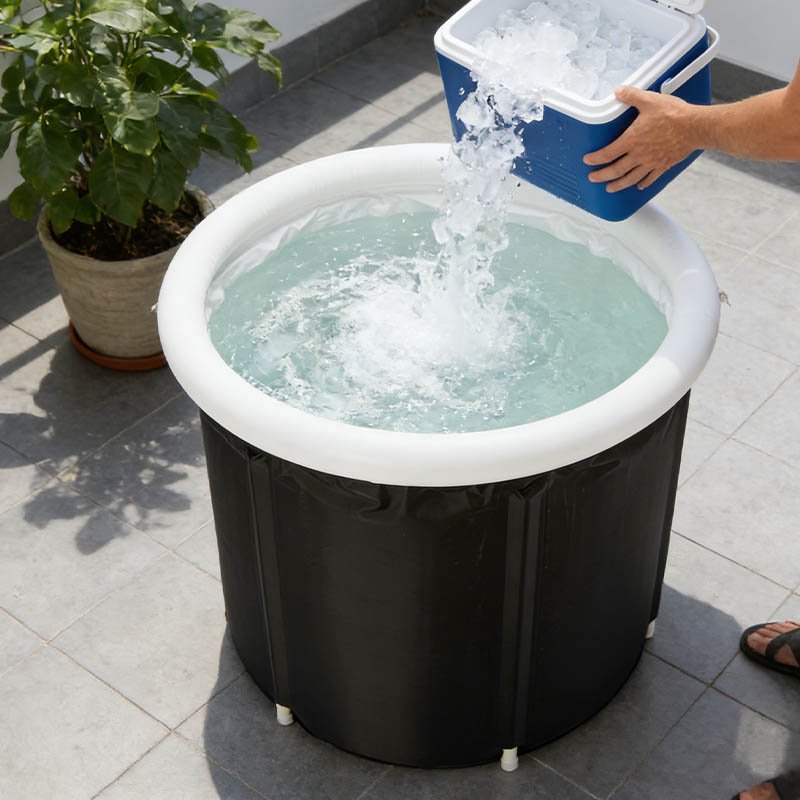
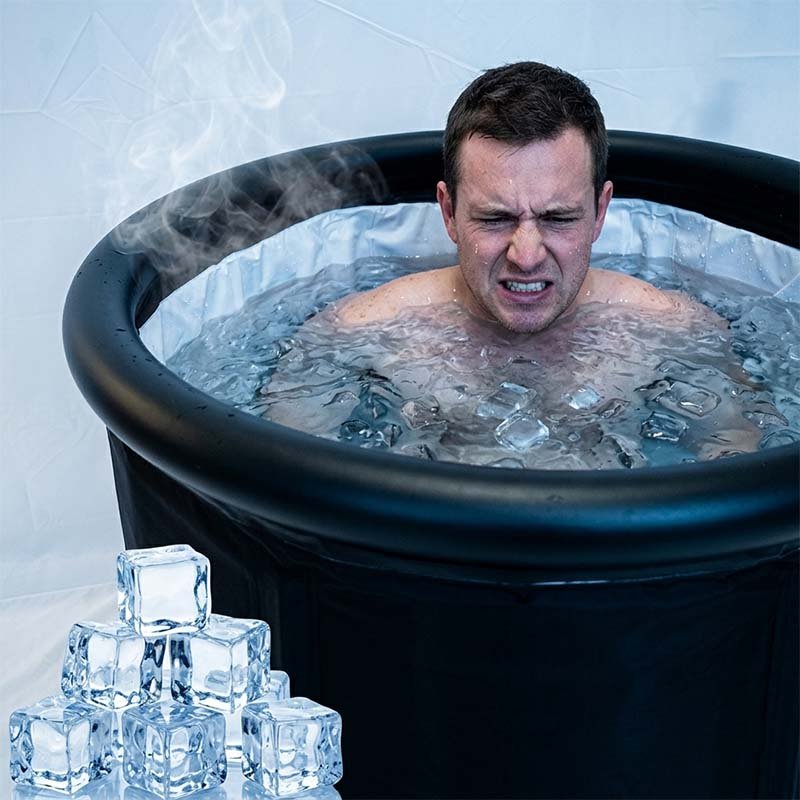
- Uses your bathtub, a barrel, or a portable tub
- Requires ice (a lot of it, depending on climate)
- Cheapest way to get started
- Slightly inconvenient long-term
It works. It’s raw. It’s a bit messy. But it gets the job done.
2. The Ice Bath with a Chiller
Now we’re talking convenience and consistency.
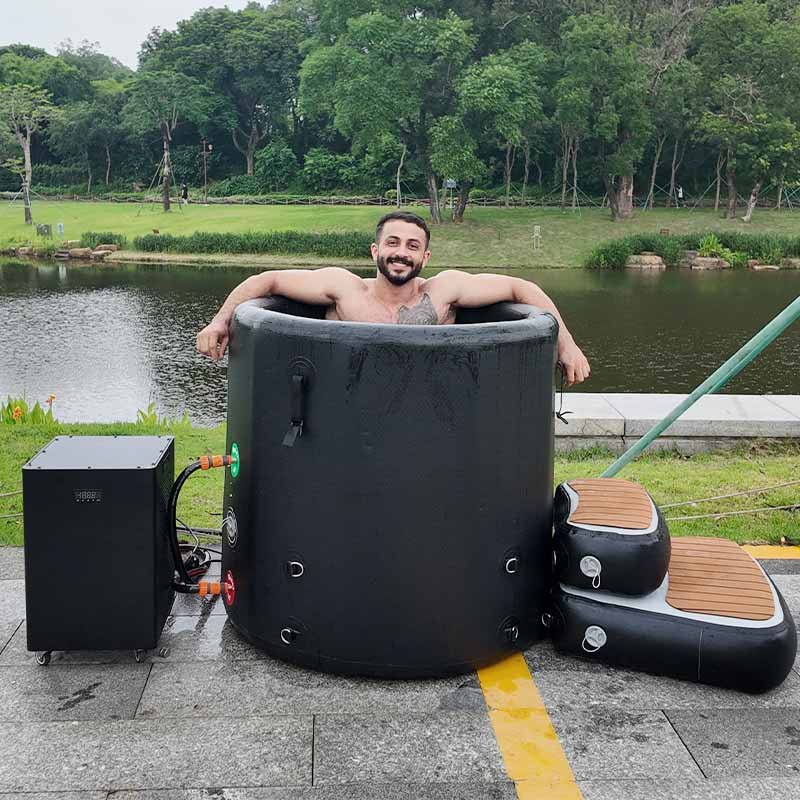
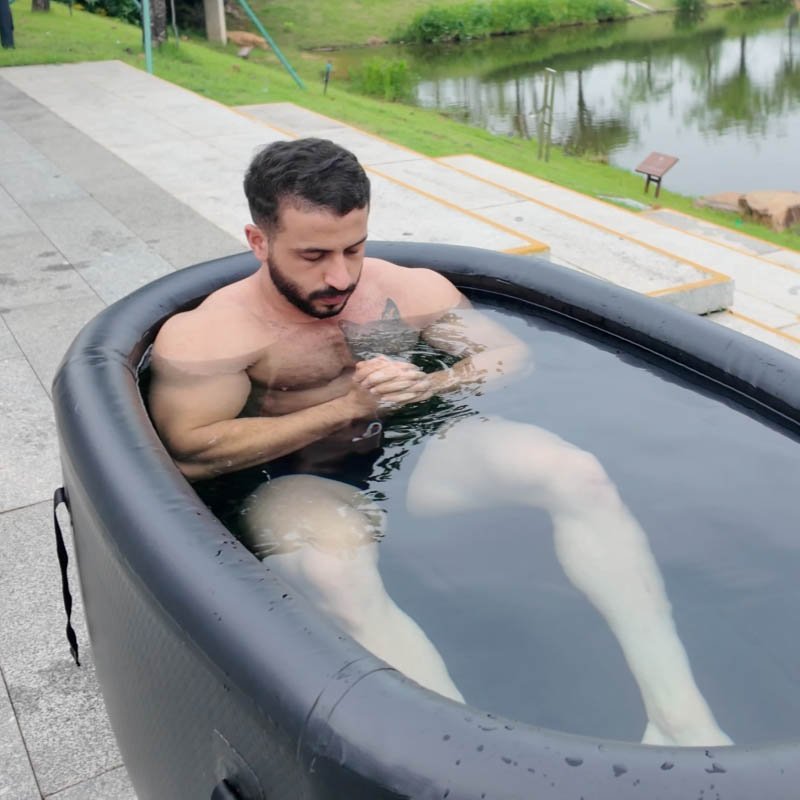
- Keeps water at a stable temperature
- No daily ice runs
- Cleaner, more professional setup
- Higher upfront cost
If you plan to use ice baths regularly, this option starts making a lot more sense.
What You Actually Need (Keep It Simple)
You don’t need a biohacking lab. Really.
Here’s the core setup:
- Container – bathtub, inflatable tub, stock tank, or dedicated ice bath
- Water – cold tap water gets you halfway there
- Ice or chiller – depending on your setup
- Thermometer (optional but helpful)
- Timer – your phone works fine
That’s it. No fancy extras required to start.
Setting Up an Ice Bath Without a Chiller (Step-by-Step)
Alright, let’s walk through this like you’re doing it today.
Step 1: Choose Your Spot
Indoors (bathtub) is easiest. Outdoors gives you more space, especially if you’re using a larger tub.
If you live somewhere warm, this matters more than you think.
Step 2: Fill with Cold Water
Start with the coldest water your tap allows.
This usually lands somewhere around 10–15°C (50–59°F), depending on your location.
Step 3: Add Ice (Gradually)
Here’s where people mess up—they dump everything at once.
- Start with 1–2 bags of ice
- Wait a minute
- Check temperature
Your target: 10–15°C (50–59°F) for beginners.
Want it intense? You can push lower later.
Step 4: Get In (Slowly… Seriously)
Don’t jump in like it’s a pool.
- Sit first
- Control your breathing
- Lower yourself gradually
That first 30 seconds? That’s the hardest part. After that, your body adapts.
Step 5: Stay 5–10 Minutes
- Beginners: 3–5 minutes
- Intermediate: 5–10 minutes
- Advanced: up to 15 minutes
Listen to your body. There’s no trophy for suffering longer.
Setting Up a Cold Plunge Chiller
Now let’s make life easier.
Step 1: Choose a Dedicated Tub
Most chiller systems work best with insulated tubs. It helps maintain temperature and reduces energy use.
Step 2: Connect the Chiller
Typically:
- The inlet hose pulls water from the tub
- The chiller cools and filters it
- Outlet returns it
It’s basically a loop system.
Step 3: Set Your Temperature
Most users sit comfortably around:
- 8–12°C (46–54°F) for regular use
- Lower if you’re experienced
The beauty? It stays there. No guessing.
Step 4: Let It Run
Depending on your system, it may take:
- 1–5 hours to cool initially
- Then it maintains automatically
Step 5: Just Get In (No Prep Needed)
This is where chillers shine.
No ice. No waiting. No hassle.
You just walk over and use it.
Common Mistakes (That Make People Quit Early)
You know what? Most people don’t quit ice baths because they’re too hard. They quit because they set them up wrong.
Here’s what to avoid:
- Too cold too fast – Start moderate, build tolerance
- No routine – Random use = no real benefits
- Poor hygiene – Especially with standing water
- Overthinking it – It’s just cold water, not rocket science
Pro Tips That Make It Way Easier
A few small tweaks can change everything:
- Go in after workouts – feels more rewarding
- Use controlled breathing – helps you stay longer
- Keep a towel nearby (obvious, but often forgotten)
- Stick to a schedule – 2–4 times per week works well
And honestly? The biggest tip is consistency.
Ice vs Chiller — Which One Should You Choose?
Let’s not overcomplicate it.
Go DIY if:
- You’re just testing things out
- You’re on a budget
- You don’t mind the extra effort
Go chiller if:
- You want convenience
- You’ll use it regularly
- You hate buying ice every few days
It’s not about “better.” It’s about what fits your lifestyle.
FAQs: About Home Ice Baths
1. What is the ideal temperature for a home ice bath setup?
Most beginners should aim for 10–15°C (50–59°F). As your tolerance improves, you can gradually lower it to around 8°C. Consistency matters more than extreme cold.
2. How much ice do I need for an ice bath without a chiller?
Typically, 5–10 kg (10–20 lbs) of ice works for a standard bathtub. It varies depending on your starting water temperature and environment.
3. Can I reuse the water in my ice bath?
Yes, but only for a limited time. Keep it clean, use a cover, and change it every few days. Chiller systems often include filtration, which helps extend usability.
4. Is an ice bath chiller worth it for home use?
If you plan to use ice baths regularly, a chiller saves time, effort, and long-term cost on ice. It also gives you precise temperature control, which improves consistency.
5. How often should I take ice baths at home?
2–4 times per week is a solid range for most people. Daily use is fine for experienced users, but recovery needs vary based on training intensity.
Final Thoughts (And a Small Reality Check)
Setting up an ice bath at home isn’t complicated. It’s actually kind of… refreshingly simple.
You can start with a bathtub and a couple bags of ice today. No waiting, no overplanning. Then, if you find yourself sticking with it, upgrading to a chiller just makes the whole process smoother.
And that’s really the point—make it sustainable.
Ready to Upgrade Your Recovery Routine?
If you’re serious about building a consistent cold therapy setup, it might be time to consider a more reliable solution. A well-designed system doesn’t just save effort—it keeps your routine on track.
At CHILLMEND, we design ice bath chillers built for real users—athletes, fitness enthusiasts, and recovery-focused individuals who want performance without the hassle. CHILLMEND has developed home-use ice bath chiller models, including IA-03, IA-05, IB-H10 and IB-C10, with matching ice bath tubs CI-01, CI-02 and CI-05 available for selection.
Got questions about setting up your ideal system? Reach out to the CHILLMEND team and let’s build something that actually fits your space, your routine, and your goals.