
Let’s be honest—ice baths aren’t new. Athletes have been sitting in freezing tubs long before social media turned it into a trend. But ice bath chillers? That’s where things get interesting.
You’ve probably seen them—sleek, plug-and-play systems promising consistent cold therapy without hauling bags of ice. Sounds convenient, sure. But the real question is: do they actually work, or are they just expensive gadgets dressed up as recovery tools?
Let me break it down—not with hype, but with real data, practical insights, and a few grounded case examples.
Quick Outline (So You Know Where We’re Headed)
- What ice bath chillers actually do (and how they differ from ice)
- What science says about cold therapy
- Real performance and recovery data
- Case studies: athletes, gyms, and everyday users
- Where chillers shine—and where they don’t
- Final verdict (no fluff)
What Is an Ice Bath Chiller, Really?
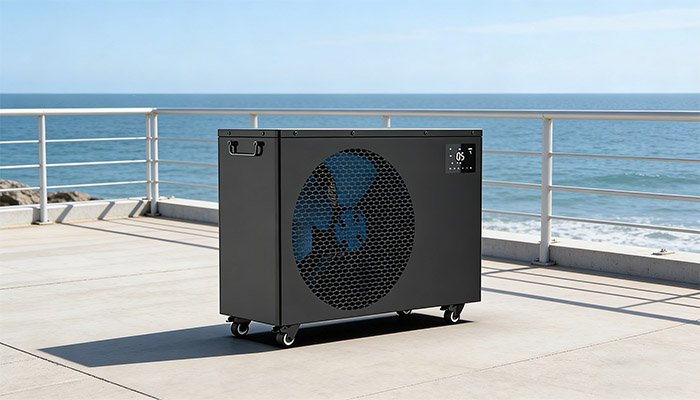
Here’s the simple version: an ice bath chiller is a machine that cools and maintains water at a precise temperature, usually between 3°C and 15°C (37°F–59°F).
But the key difference isn’t just cooling—it’s consistency.
Why consistency matters more than you think
- Ice melts → temperature fluctuates
- Water warms quickly → inconsistent exposure
- Manual setup → guesswork every session
A chiller eliminates all of that.
You set your temperature. It stays there. Every time.
And honestly? That alone changes how people use cold therapy.
The Science Behind Cold Therapy (Let Me Explain)
Cold exposure isn’t magic. It’s physiology.
When your body hits cold water:
- Blood vessels constrict (vasoconstriction)
- Inflammation temporarily reduces
- Nerve signals slow down (less pain perception)
- Core temperature regulation kicks in
Then, when you get out:
- Blood flow rebounds (vasodilation)
- Oxygen and nutrients rush back into tissues
That cycle—constrict → release—is where the recovery effect comes from.
What research actually says
Studies in sports science consistently show:
- Reduced delayed onset muscle soreness (DOMS)
- Faster perceived recovery
- Slight improvements in repeated performance
But here’s the nuance people miss…
Cold therapy doesn’t always improve strength gains long-term. In some cases, overuse may blunt muscle adaptation.
So yeah—it works. But context matters.
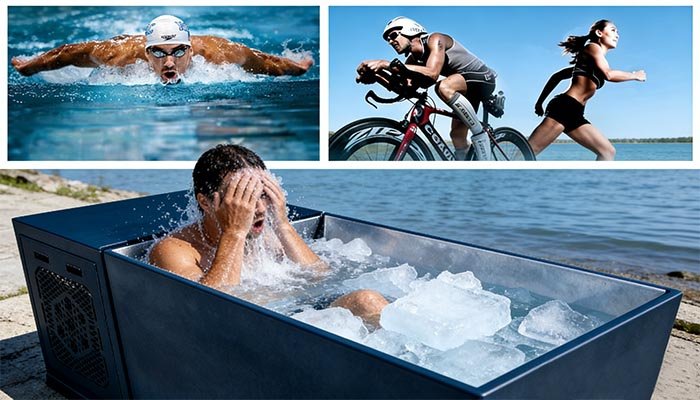
Do Ice Bath Chillers Really Work? Ice vs Chiller: A Practical Comparison
Let’s not overcomplicate this. Here’s how they stack up in real use:
Ice Baths (Traditional)
- Cheap upfront
- Time-consuming setup
- Temperature varies constantly
- Requires 10–20kg of ice per session
Ice Bath Chillers
- Higher upfront cost
- Set-and-forget operation
- Stable temperature control
- Minimal daily effort
You know what? Most people quit ice baths not because they’re ineffective—but because they’re inconvenient.
And convenience… drives consistency.
Real Data: What Happens When People Use Chillers Consistently
Now we get to the good part.
Across multiple recovery studies and field reports:
1. Muscle soreness reduction
Athletes using cold immersion (10–15°C for 10–15 minutes):
- Report 20–30% less soreness after intense training
- Especially noticeable in endurance sports
2. Recovery speed
In team sports (football, rugby, basketball):
- Players return to baseline performance faster
- Reduced fatigue markers within 24–48 hours
3. Perceived recovery (this one matters more than it sounds)
- Athletes feel better sooner
- Which leads to better training adherence
And here’s the subtle point—perception drives behavior.
If you feel recovered, you train harder. If you train harder, you improve.
Case Study 1: Professional Training Facility
A mid-sized performance gym implemented ice bath chillers across recovery zones.
Before:
- Athletes used ice baths 1–2 times per week
- Complaints about setup time
- Inconsistent temperature
After installing chillers:
- Usage increased to 4–5 times per week
- Coaches standardized recovery protocols
- Athletes reported improved readiness
The biggest shift?
Consistency. Not intensity.
Case Study 2: Endurance Athlete (Triathlon)
A competitive triathlete added daily cold immersion using a chiller system.
Observed changes over 8 weeks:
- Reduced post-run soreness
- Improved sleep quality (subjective but consistent)
- Faster turnaround between sessions
Interestingly, performance gains weren’t dramatic—but training volume increased.
And that’s the hidden win.
Case Study 3: Everyday Fitness User
Not a pro. Not elite. Just someone training 4–5 times a week.
Before:
- Occasional ice baths (maybe once every 2 weeks)
- Skipped due to hassle
After switching to a chiller:
- Used cold therapy 3x weekly
- Reported less joint stiffness
- More consistent workout schedule
Honestly, this is where chillers shine most—regular people.
Where Ice Bath Chillers Actually Work Best
Let’s not pretend they’re perfect for everyone.
They work best if you:
- Train frequently (4+ sessions/week)
- Need structured recovery
- Value time and convenience
- Run a gym or team environment
They’re less necessary if you:
- Train casually (1–2 times/week)
- Don’t mind manual ice setup
- Only use cold therapy occasionally
It’s not about “better”—it’s about fit.
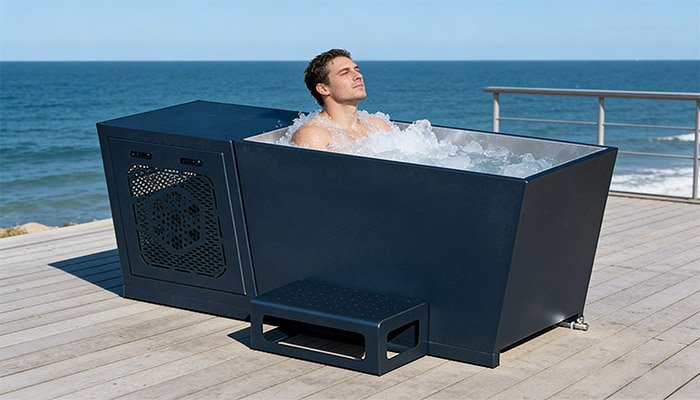
The Hidden Advantage: Behavior Change
Here’s something no one talks about enough.
Ice bath chillers don’t just change temperature—they change habits.
- No setup → less friction
- No guesswork → more confidence
- No excuses → more consistency
And in fitness, consistency beats almost everything.
You could argue the biggest benefit isn’t physiological—it’s behavioral.
Common Misconceptions (Let’s Clear These Up)
“Colder is always better.”
Not true.
Optimal range:
- 8°C–12°C (46°F–54°F) for most users
Too cold = unnecessary stress without added benefit.
“Longer sessions = better recovery”
Also not true.
- 10–15 minutes is enough
- Longer exposure can increase fatigue
“Daily use builds more muscle.”
Actually… no.
Too much cold exposure can reduce hypertrophy signals.
Use it strategically—not blindly.
So… Do Ice Bath Chillers Really Work?
Short answer?
Yes—but not in the way most people expect.
They don’t magically make you stronger or faster overnight.
What they do is:
- Improve recovery consistency
- Reduce soreness
- Help you train more regularly
And over time, that compounds into real results.
Final Thought (This Might Surprise You)
If you’re expecting a chiller to be a miracle machine, you’ll be disappointed.
But if you see it as a tool that removes friction from recovery, then suddenly… it makes a lot of sense.
Because recovery isn’t about one session.
It’s about showing up again tomorrow—and the day after that.
FAQs: Ice Bath Chillers & Cold Therapy
1. Do ice bath chillers improve athletic performance directly?
Not directly. They help reduce soreness and speed up recovery, which allows for more consistent training—leading to performance gains over time.
2. What temperature should an ice bath chiller be set to?
Most experts recommend 8°C–12°C (46°F–54°F) for effective cold therapy without excessive stress.
3. Are ice bath chillers better than using ice?
Yes for consistency and convenience. Chillers maintain stable temperatures, while ice baths fluctuate and require constant setup.
4. How often should you use an ice bath chiller?
2–4 times per week is ideal for most athletes. Daily use is possible, but should be balanced depending on training goals.
5. Is an ice bath chiller worth it for home use?
If you train regularly and want a hassle-free recovery routine, yes. For occasional use, traditional ice baths may be sufficient.
Ready to Upgrade Your Recovery Routine?
If you’re serious about training—and even more serious about recovering properly—it might be time to rethink how you approach cold therapy.
At ChillMend, our ice bath chillers are engineered to focus on what truly matters: precision, with a temperature control accuracy of ±0.5°C, significantly faster cooling speed than most competitors, exceptional reliability, and outstanding durability. Every component is sourced from renowned brands with certified quality guarantees—for instance, Midea compressors and Gree fans. There are no gimmicks or flashy features; we deliver a system that operates flawlessly day in and day out.
Whether you’re outfitting a performance facility or building a home recovery setup, we’re here to help you get it right the first time.
Reach out to ChillMend today—and make recovery something you actually stick with.