
Quick Outline (So You Know Where We’re Headed)
- What cold therapy actually does to your body
- The physiology behind ice bath chillers
- Why athletes swear by cold exposure (and where they might be wrong)
- How ice bath chillers maintain precision and consistency
- The real benefits vs the overhyped claims
- Practical tips for safe and effective use
- FAQs for deeper clarity
- Final thoughts + what to do next
How Cold Therapy Works: Science Behind Ice Bath Chillers
You’ve probably seen it—athletes sitting in tubs of icy water, wincing, breathing sharply, then stepping out looking oddly… refreshed.
It looks intense. Maybe even unnecessary.
But here’s the thing: cold therapy isn’t new. It’s ancient. From Roman bathhouses to modern recovery labs, people have always used cold to heal, reset, and perform better.
What has changed is precision. And that’s where ice bath chillers quietly take over.
Let’s unpack what’s really going on beneath the surface—because honestly, it’s more fascinating than just “cold water = good.”
So… What Actually Happens When You Step Into Cold Water?
At first contact, your body reacts instantly. Not politely. Not gradually. Instantly.
Cold receptors in your skin fire signals to your brain—fast. Your nervous system kicks into high alert. Blood vessels constrict. Your breathing changes. Heart rate spikes slightly.
Sounds stressful, right?
It is. But in a controlled way.
Here’s what’s happening under the hood:
- Blood flow is redirected away from the skin toward vital organs
- Inflammation begins to decrease
- Metabolic activity in muscles slows down
- Pain signals are temporarily dampened
And then—this is key—when you step out, everything reverses.
Blood rushes back. Oxygen delivery increases. Waste products get flushed out. That rebound effect? That’s where much of the benefit lives.
It’s not just the cold. It’s the contrast.
The Role of Ice Bath Chillers (And Why They Matter More Than You Think)
You might be wondering—why not just dump ice into a tub and call it a day?
Fair question.
But here’s where reality gets messy.
Ice melts. Temperature fluctuates. One minute you’re at 8°C, next minute you’re at 15°C. That inconsistency matters—a lot more than most people realize.
Ice bath chillers solve that problem.
They maintain a stable, controlled temperature, often within a tight range (say, 3–10°C). That consistency allows your body to experience a predictable physiological response.
And predictable means measurable.
And measurable means effective.
Honestly, it’s the difference between guessing… and training with intent.
Let’s Talk Science (Without Making It Painfully Academic)
Alright, here’s the deeper layer—but we’ll keep it digestible.
1. Vasoconstriction and Vasodilation
Cold exposure causes vasoconstriction—your blood vessels tighten. This reduces swelling and limits inflammatory responses in damaged tissue.
Once you exit the cold, vasodilation kicks in—vessels widen, bringing oxygen-rich blood back into the muscles.
Think of it like squeezing and releasing a sponge. Waste out. Fresh nutrients in.
2. Reduced Muscle Damage (Sort Of…)
There’s ongoing debate here.
Cold therapy may reduce delayed onset muscle soreness (DOMS) by slowing cellular processes and limiting microtrauma.
But—and this is important—it might also slightly blunt muscle growth if overused, especially right after strength training.
So yes, it helps recovery.
But timing matters.
More on that later.
3. Nervous System Reset
Cold exposure activates the sympathetic nervous system—your fight-or-flight response.
But repeated exposure trains your body to handle stress better. Over time, your system becomes more resilient.
You breathe better. You stay calmer. You recover faster.
That’s not just physical—it’s neurological conditioning.
4. Hormonal Response
Cold immersion has been linked to increases in:
- Norepinephrine (boosts focus and alertness)
- Dopamine (improves mood and motivation)
Some users even describe a post-ice-bath “high.” Not exaggerated—there’s real chemistry behind it.
Why Athletes Use Ice Bath Chillers (And Why It’s Not Just About Recovery)
You’d think recovery is the main reason. And yes, it’s a big one.
But there’s more to it.
Athletes use cold exposure to:
- Train mental toughness
- Improve circulation efficiency
- Reduce fatigue between sessions
- Prepare for competitions in hot environments
There’s also a ritual aspect. A moment of discipline. A reset button.
And honestly? That psychological edge matters more than people admit.
Ice Bath Chillers vs Traditional Ice Baths: A Subtle but Critical Upgrade
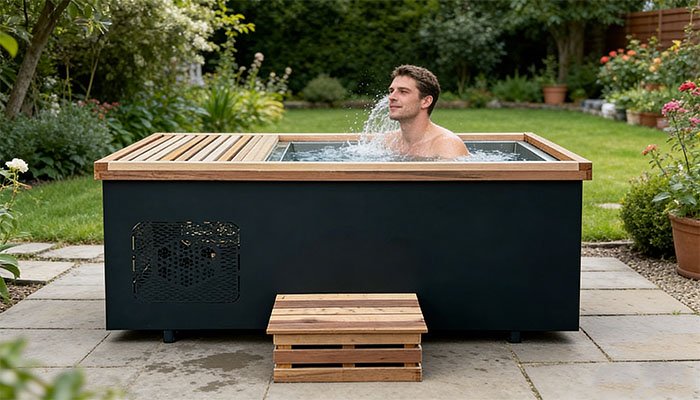
Let me put it this way.
Traditional ice baths are like cooking over an open fire—unpredictable, messy, hard to control.
Ice bath chillers? That’s modern temperature-controlled precision.
Here’s the difference that actually impacts results:
- Consistency: No guessing temperature
- Efficiency: No need to constantly add ice
- Hygiene: Filtration systems keep water clean
- Convenience: Ready when you are
You don’t just sit in cold water—you control the experience.
And that changes everything.
The Benefits (Without the Hype)
Let’s keep this grounded. Cold therapy isn’t magic. But it is powerful when used correctly.
Real, Evidence-Supported Benefits:
- Reduced muscle soreness
- Improved recovery time
- Better circulation
- Enhanced mental resilience
- Short-term pain relief
Benefits That Are Still Debated:
- Fat loss acceleration
- Immune system boosts (some evidence, but not definitive)
- Long-term performance gains
So yeah—some claims are overstated. But the core benefits? Very real.
Timing Is Everything (This Is Where Most People Get It Wrong)
You know what? This part gets overlooked way too often.
If you jump into an ice bath immediately after strength training, you might reduce muscle inflammation—but also potentially interfere with muscle adaptation.
In simple terms:
You recover faster… but may grow slower.
So what should you do?
- Use cold therapy after intense endurance sessions
- Wait a few hours after strength training (or use it on rest days)
- Keep sessions short (5–12 minutes is usually enough)
It’s not just about doing it—it’s about doing it at the right time.
Safe Use: Don’t Be a Hero
Cold exposure isn’t a competition.
Start slow.
- Begin at around 10–15°C
- Stay in for 3–5 minutes
- Gradually increase duration or lower temperature
Watch for warning signs:
- Numbness beyond comfort
- Dizziness
- Uncontrolled shivering
If that happens, get out. Simple.
Consistency beats intensity here. Always.
The Bigger Picture: Why Cold Therapy Is Trending Again
There’s a reason this is everywhere again—sports labs, gyms, even home setups.
People are looking for control. Over recovery. Over performance. Over stress.
And cold therapy delivers that in a very direct, physical way.
It’s not passive. You feel it. Immediately.
And in a world full of complicated solutions, something simple—like cold water—feels surprisingly effective.
FAQs: About Ice Bath Chillers and Cold Therapy
1. What temperature is best for an ice bath chiller for recovery?
Most experts recommend a range between 8°C to 12°C for effective muscle recovery. Beginners should start warmer (around 10–15°C) and gradually adjust based on tolerance.
2. How long should you stay in an ice bath for optimal benefits?
A duration of 5 to 12 minutes is generally sufficient. Longer sessions don’t necessarily improve results and may increase risk of overexposure.
3. Do ice bath chillers help with muscle growth or just recovery?
They primarily support recovery and soreness reduction. However, frequent use immediately after strength training may slightly reduce muscle growth due to decreased inflammation signaling.
4. Are ice bath chillers better than using ice manually?
Yes, because they provide consistent temperature control, better hygiene, and convenience, making sessions more reliable and effective over time.
5. Can beginners safely use ice bath chillers at home?
Absolutely—but start slow. Use higher temperatures, shorter durations, and gradually build tolerance. Safety and consistency matter more than intensity.
Final Thoughts (And What You Should Do Next)
Cold therapy isn’t a trend—it’s a tool.
Used correctly, it can sharpen recovery, improve resilience, and even give you that small psychological edge that separates good from great.
But like any tool, it only works if it’s applied with precision.
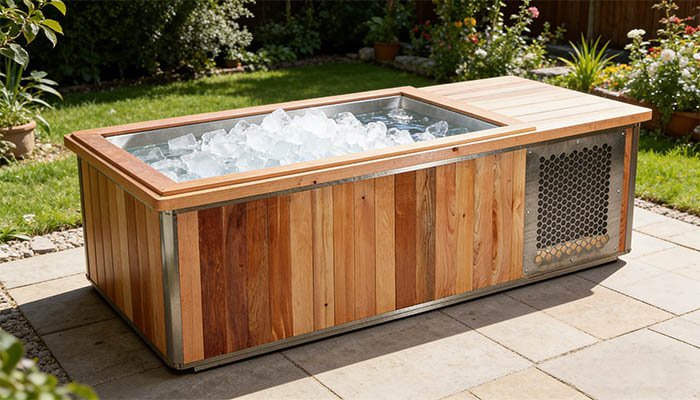
That’s where high-quality ice bath chillers make the difference. They take the guesswork out, giving you control over every session—temperature, timing, and consistency.
If you’re serious about recovery, performance, or even building a premium wellness setup, it might be time to stop improvising with melting ice and start thinking long-term.
👉 Ready to upgrade your recovery game? Contact CHILLMEND today to explore professional-grade ice bath chiller solutions designed for athletes, gyms, and performance-driven individuals.
Because honestly—once you experience controlled cold therapy, there’s no going back.