
Quick Outline (Before We Get Cold 🧊)
- What an ice bath chiller actually does
- Why athletes swear by cold exposure
- The real science behind recovery and performance
- When it helps—and when it might not
- Practical tips for using a chiller the right way
- Common mistakes (yes, there are quite a few)
- FAQs + how to get started with CHILLMEND
Ice Bath Chillers: Hype, Habit… or Hidden Advantage?
Let’s be honest for a second.
If you’ve spent any time around serious athletes lately—whether it’s runners, CrossFit folks, or even weekend gym warriors—you’ve probably seen someone willingly stepping into freezing water. And not just once. Regularly.
Sounds a little extreme, right?
But here’s the thing: ice baths have quietly moved from “hardcore athlete ritual” to a mainstream recovery tool. And the rise of ice bath chillers has made it easier than ever. No more hauling bags of ice or guessing temperatures.
So the real question becomes:
Do ice bath chillers actually improve performance—or just help you feel like a disciplined beast?
Let me explain.
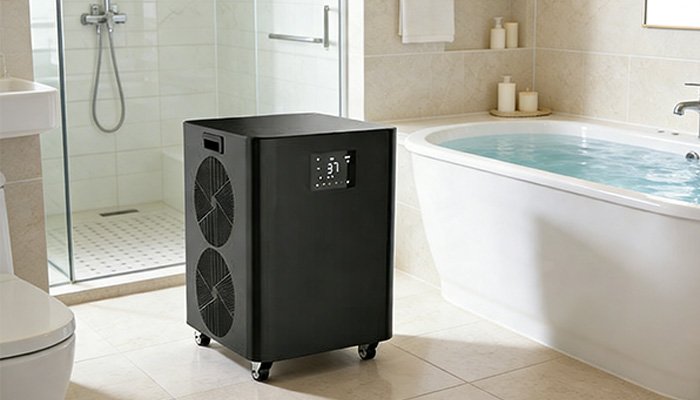
What Exactly Is an Ice Bath Chiller? (And Why It’s Not Just Fancy Equipment)
An ice bath chiller is essentially a temperature control system designed to keep your cold plunge water at a consistent, precise level—usually between 3°C to 15°C (37°F to 59°F).
But that simple definition misses the bigger picture.
Instead of the old-school method (dumping ice into a tub and hoping for the best), a chiller gives you:
- Stable temperatures (no fluctuation mid-session)
- Repeatable recovery routines
- Better hygiene through filtration systems
And honestly, consistency is everything when it comes to recovery.
Think of it like training. You wouldn’t randomly lift weights with no plan, right? Same idea here.
Why Athletes Keep Coming Back to the Cold
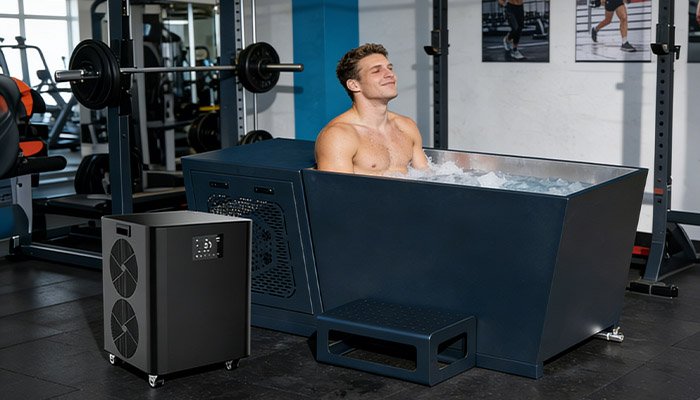
Here’s where things get interesting.
Cold exposure isn’t just about “feeling tough.” It triggers several physiological responses that can impact recovery—and possibly performance.
🔹 Reduced Muscle Soreness (DOMS Relief)
After intense workouts, your muscles develop micro-tears. That’s normal. That’s growth.
But inflammation? That’s where things can get messy.
Cold immersion helps constrict blood vessels and reduce inflammation. When you get out, circulation increases again—kind of like a reset cycle.
And yes, that “less sore the next day” feeling? That’s real.
🔹 Nervous System Reset
Ever stepped into cold water and felt your entire body go “WHAT IS HAPPENING?” for a split second?
That’s your nervous system reacting.
Cold exposure activates the parasympathetic system (your “rest and recover” mode), which can:
- Lower stress levels
- Improve sleep quality
- Enhance recovery between sessions
And better recovery often means better performance—indirectly, but meaningfully.
🔹 Mental Toughness (The Underrated Factor)
This one gets overlooked, but it shouldn’t.
Regular cold exposure trains your brain to stay calm under stress. Controlled breathing, staying still, resisting the urge to jump out—it builds discipline.
And discipline carries over.
Into training. Into competition. Into everything.
The Science Part—Let’s Keep It Real
Now, here’s where we need to balance things.
Ice baths are not magic.
What Research Supports:
- Reduced delayed onset muscle soreness (DOMS)
- Short-term recovery improvement
- Better perceived recovery (you feel better, which matters)
What’s Still Debated:
- Direct improvement in strength gains
- Long-term muscle growth (some studies suggest frequent cold exposure right after strength training might blunt hypertrophy)
So yeah—it’s a bit of a paradox.
Cold helps recovery… but too much of it, at the wrong time, might slow certain adaptations.
So… Does It Actually Improve Performance?
Short answer?
Yes—but indirectly.
Let’s break that down.
Performance improves when you can:
- Train more consistently
- Recover faster between sessions
- Maintain higher training quality
Ice bath chillers support all three.
But they don’t make you stronger overnight. They just help you show up better, more often.
And honestly, that’s where real gains come from.
Timing Matters More Than You Think
Here’s a nuance most people miss.
When you use your ice bath matters just as much as how you use it.
Best Times to Use:
- After intense endurance sessions (running, cycling)
- During competitions or tournaments (quick recovery between events)
- On rest days for general recovery
Be Careful Using It:
- Immediately after strength training (if your goal is muscle growth)
Why?
Because inflammation isn’t always bad. It’s part of how muscles adapt and grow.
So sometimes, less recovery is actually… better for progress.
Weird, right?
Ice Bath Chiller vs Ice Bath with Ice Bags
Let’s address the obvious question.
Why not just use ice?
The Old Way:
- Inconsistent temperature
- Expensive over time (ice adds up)
- Time-consuming setup
The Chiller Way:
- Set it and forget it
- Consistent results
- Long-term cost efficiency
And if you’re serious about recovery, consistency beats convenience every single time.
Common Mistakes (That Quietly Kill Results)
You know what? A lot of people use ice baths wrong.
Here are a few things to watch out for:
- Too cold, too fast
Jumping straight into near-freezing water can shock your system unnecessarily. Ease into it. - Too long sessions
More isn’t better. 10–15 minutes is usually enough. - Using it after every workout
Especially for strength training—this can backfire. - Ignoring breathing
If your breathing is chaotic, your body stays stressed. Control it.
How to Use an Ice Bath Chiller Like a Pro
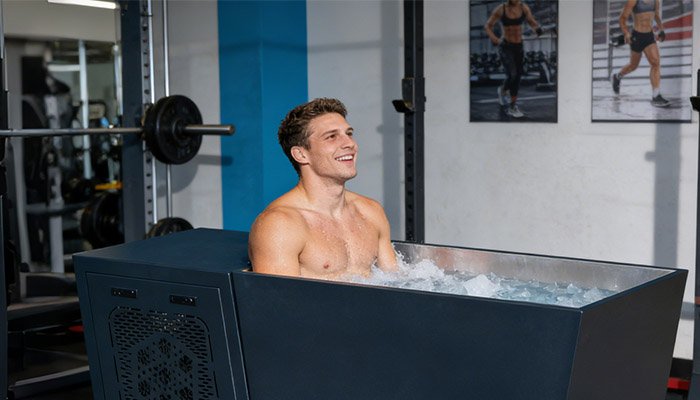
If you want real benefits, keep it simple and consistent.
- Temperature: 8–12°C (46–54°F)
- Duration: 10–15 minutes
- Frequency: 2–4 times per week
And most importantly—listen to your body.
Some days you’ll crave it. Other days, not so much. That’s normal.
The Bigger Picture: Recovery Is a System
Here’s something worth remembering.
Ice baths are just one piece of the puzzle.
If your sleep is poor, your nutrition is off, and your training is inconsistent… no amount of cold water will fix that.
But when everything else is dialed in?
That’s when an ice bath chiller becomes powerful.
It’s not the star of the show—it’s the amplifier.
FAQs: Ice Bath Chillers & Performance
1. Does an ice bath chiller improve athletic performance directly?
Not directly. It improves recovery, which allows for better training consistency—leading to performance gains over time.
2. What is the best temperature for an ice bath chiller for recovery?
Most athletes benefit from 8–12°C (46–54°F). This range balances effectiveness and safety.
3. Should I use an ice bath after every workout?
No. Especially avoid using it immediately after strength training if muscle growth is your goal.
4. How long should I stay in an ice bath for optimal recovery?
Around 10–15 minutes is ideal. Longer sessions don’t necessarily bring more benefits.
5. Is an ice bath chiller better than using ice bags?
Yes. Ice bath chillers provide consistent temperature control, convenience, and better long-term efficiency.
Ready to Take Recovery Seriously?
If you’ve read this far, you already know—this isn’t just a trend.
It’s a tool. And like any tool, its value depends on how you use it.
If you’re looking for a reliable, professional-grade solution, CHILLMEND offers ice bath chillers designed for athletes who care about real recovery—not guesswork.
Whether you’re training hard, competing often, or just trying to feel better after brutal sessions… the right setup makes all the difference.
Reach out to CHILLMEND today—and start recovering smarter, not colder.