
Quick Outline (So You Know Where We’re Headed)
- Why safety matters more than hype
- Understanding how an ice bath chiller actually works
- Temperature ranges that are safe (and not so safe)
- Setup mistakes that quietly cause problems
- Electrical safety—yes, this matters more than you think
- Hygiene and water quality (often overlooked)
- Who should NOT use ice baths
- Practical safety routine you can follow
- FAQs + final thoughts
The Cold Truth: Why Safety Isn’t Optional
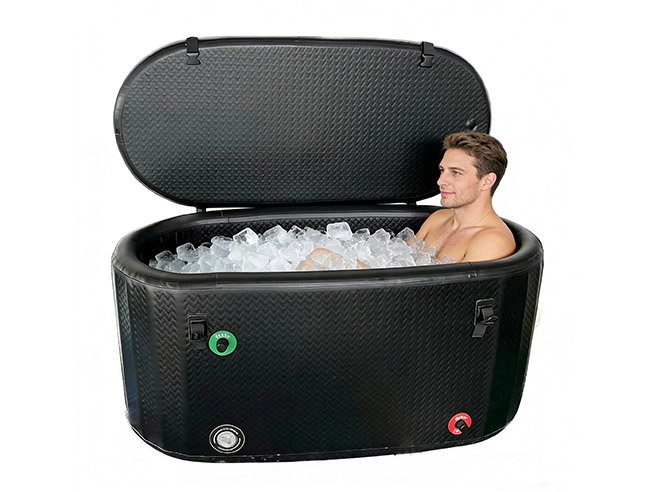
Let’s be honest—ice baths look simple. Fill a tub, add cold water, maybe toss in some ice, and jump in. Done, right?
Not quite.
When you add an ice bath chiller into the equation, you’re stepping into a more advanced setup. It’s powerful, efficient—and if handled carelessly, it can cause real issues. Not dramatic, headline-grabbing problems, but subtle ones: unstable temperatures, electrical risks, or even overexposure.
Here’s the thing: cold therapy is effective because it stresses your body. But too much stress? That’s where it flips from helpful to harmful.
So yeah—safety isn’t just a checklist item. It’s the difference between recovery and regret. For the most common mistakes beginners make, you can read: 《Ice Bath for Beginners: Mistakes You Must Avoid》
How an Ice Bath Chiller Actually Works (And Why That Matters)
Before we talk rules, let’s get the basics straight.
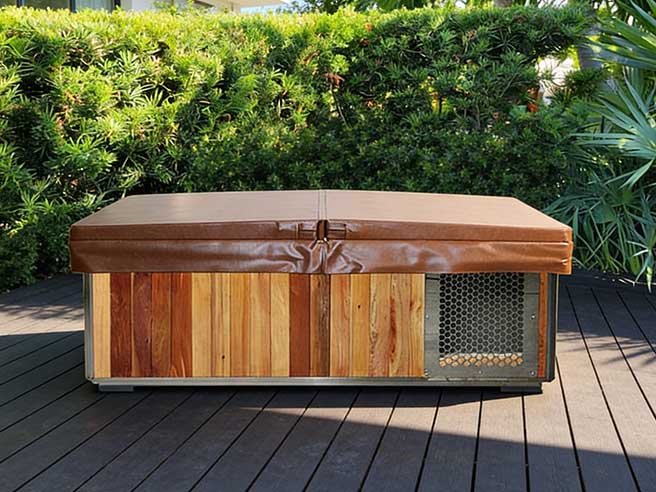
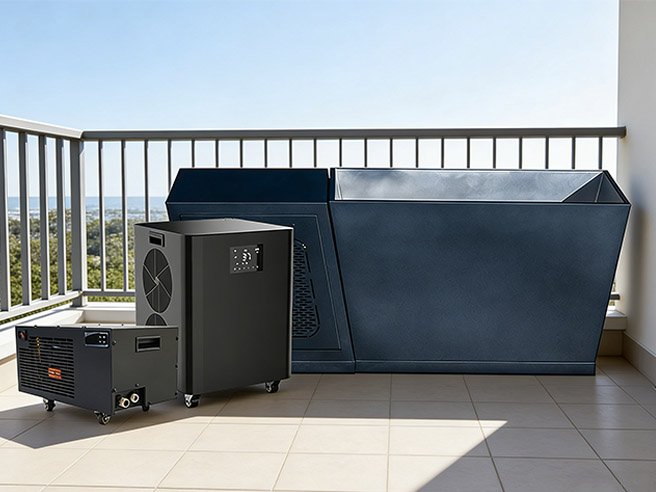
An ice bath chiller isn’t just “a cold machine.” It’s a system:
- A compressor cools the water
- A pump circulates it
- A filter keeps it clean
- Equipped with UV disinfection or ozone sterilization function
Sounds simple, but here’s where people slip up…
They treat it like a static tub. It’s not. It’s a live system—water is constantly moving, temperature is actively controlled, and components are working together.
And when systems are involved, small mistakes stack up fast.
What Temperature Is Actually Safe?
Let me explain this clearly, because this is where most beginners go wrong.
You don’t need extreme cold to get benefits.
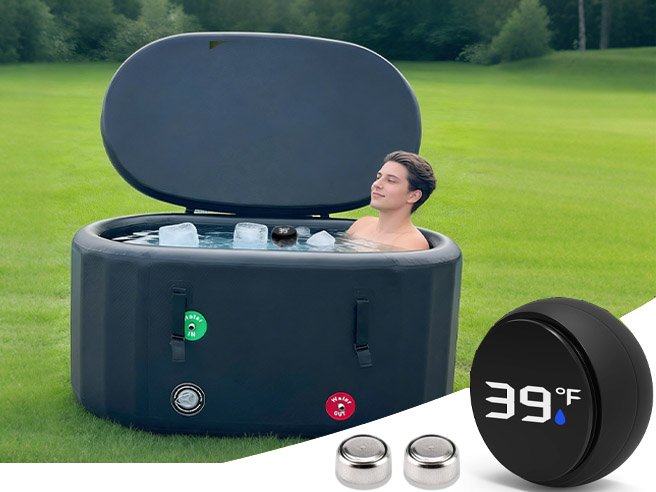
Safe and effective range:
- 10°C to 15°C (50°F to 59°F) → Ideal for most users
- 5°C to 10°C (41°F to 50°F) → Advanced users only
- Below 5°C → Risky territory
And honestly? Many people chase “colder is better.” It isn’t.
Your body responds to cold quickly. Once you trigger that response—vasoconstriction, reduced inflammation—you’ve already done the job.
Going colder just increases stress… not results.
Setup Mistakes That Cause Real Problems
You know what’s interesting? Most safety issues don’t happen during use—they happen before you even step in.
Let’s break down the most common mistakes:
- Uneven ground placement
Your tub shifts slightly. Over time, connections loosen. Then… leaks. - Poor hose connections
Even a tiny gap can lead to water loss or pump inefficiency. - Ignoring ventilation
Chillers need airflow. Block that, and you risk overheating the unit. - Running dry or low water levels
This can damage the pump—and yes, it happens more than you’d expect.
These aren’t dramatic errors. They’re quiet ones. And that’s why they’re dangerous.
Electrical Safety (The Part People Skip… But Shouldn’t)
Let’s not sugarcoat this—water and electricity don’t mix well.
If your setup isn’t right, you’re taking unnecessary risks.
Here’s what matters:
- Use a GFCI outlet (non-negotiable)
It cuts power instantly if something goes wrong. - Keep connections elevated
Never let plugs sit on wet ground. - Avoid cheap extension cords
If you must use one, make sure it’s rated for outdoor and high load. - Weather protection
Rain + exposed connections = bad idea.
Honestly, this is the one area where being “extra careful” actually makes sense.
Water Hygiene: The Hidden Safety Factor
Most people think safety = temperature.
But hygiene? That’s just as important.
Stagnant or dirty water can lead to:
- Skin irritation
- Bacterial growth
- Unpleasant odors (you’ll notice this fast)
So what should you do?
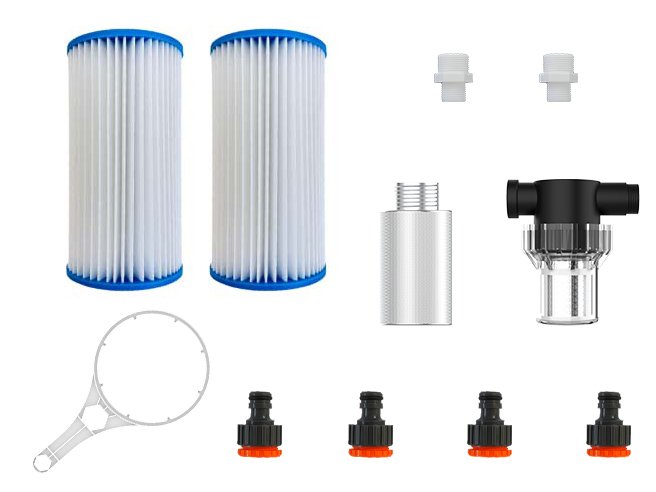
- Change water regularly (every few days for heavy use)
- Use filtration if available
- Consider UV sterilization
- Rinse before entering (simple but effective)
It’s not glamorous—but it matters.
Who Should Be Careful (Or Avoid Ice Baths Entirely)
This part doesn’t get talked about enough.
Ice baths are not for everyone.
You should consult a professional first if you have:
- Heart conditions
- High blood pressure
- Circulation issues
- Respiratory problems
And if you’re new? Start slow. Really slow.
Even healthy users can feel dizzy or shocked if they rush in.
A Simple Safety Routine You Can Actually Follow
Let’s keep this practical. No overcomplication.
Before:
- Check water temperature
- Inspect connections
- Ensure stable setup
During:
- Limit sessions to 5–10 minutes
- Control breathing
- Exit if you feel numb beyond comfort
After:
- Warm up gradually (no hot shock)
- Dry off and monitor how you feel
That’s it. Simple, repeatable, effective.
The Subtle Balance: Pushing Limits vs. Respecting Them
Here’s the thing—cold therapy sits in a strange space.
It’s supposed to be uncomfortable. That’s part of the appeal.
But there’s a fine line between controlled stress and unnecessary risk.
And honestly? The smartest users aren’t the toughest ones.
They’re the ones who know when to stop.
FAQs: Real Questions People Ask About Ice Bath Chiller Safety
1. What is the safest temperature for an ice bath chiller at home?
The safest range for most users is between 10°C and 15°C. This range provides recovery benefits while minimizing risks like cold shock or excessive stress on the body.
2. Can you leave an ice bath chiller running all the time?
Yes, but only if the system is designed for continuous operation. Make sure water levels are stable, filters are clean, and the unit has proper ventilation to avoid overheating.
3. Do ice bath chillers use a lot of electricity?
Not necessarily. Modern units are energy-efficient, especially compared to constantly buying ice. Proper setup and insulation can further reduce power usage.
4. How often should you clean an ice bath chiller system?
For regular users, cleaning or refreshing water every few days is recommended. Filters should be checked weekly, and deeper cleaning should be done periodically.
5. Is it safe to use an ice bath chiller outdoors?
Yes, but only with proper precautions—use waterproof electrical setups, protect the unit from rain, and ensure stable ground placement.
Final Thoughts + A Practical Next Step
If you’ve made it this far, you already understand something important—ice bath chillers aren’t just about performance. They’re about consistency, control, and doing things right.
And honestly, once your setup is safe, everything else becomes easier. Your routine feels smoother. Your recovery becomes predictable. You stop second-guessing.
If you’re looking for a system that balances performance, safety, and long-term reliability, it might be time to talk to the team at CHILLMEND.
They are the first manufacturer in the industry to develop ice bath chillers, with their own invention patents, structural patents and design patents. They focus on stable cooling performance and intelligent safety features. Their water chillers are available in various models, suitable for residential, commercial, club, gym and high-end hotel applications. Click Contact to reach them and get the most suitable ice bath solution for you.
Sometimes the smartest move isn’t doing more. It’s choosing better.