
Quick outline
- Why beginners get ice baths wrong
- The biggest mistakes before, during, and after your first sessions
- What a safer beginner routine looks like
- How to build consistency without making the process miserable
- FAQs for new cold-plunge users
Cold plunges look simple from the outside. Fill a tub, add cold water, brace yourself, done. But that’s exactly why beginners get tripped up. The setup seems easy, yet the body’s response to cold water is anything but casual. Sudden cold exposure can spike breathing, heart rate, and blood pressure, and even relatively “mild” cold water can trigger a strong cold-shock response. That is why the smartest first ice bath is usually the least dramatic one.
If you’re new to this, the goal is not to look tough for social media. It’s to build a routine that helps recovery, feels manageable, and doesn’t scare you off after one awful session. Let me explain.
Why beginners usually mess this up
A lot of first-timers think the mistake is going “not cold enough.” Honestly, that’s rarely the real problem. The real problem is doing too much, too soon, with too little understanding of how your body reacts.
Cold-water immersion is commonly defined as immersion in water below 15°C, and studies and clinical guidance often point beginners toward a more moderate range around 10°C to 15°C, with shorter early sessions before building up. Recovery research also shows the benefits are context-dependent, not magical, and not every athlete needs extreme cold or long exposure to feel useful results.
That means your first few sessions should feel controlled, not heroic. If it feels like a survival challenge, something’s off.
And yes, there’s a small contradiction here: ice baths are supposed to be uncomfortable, but a beginner ice bath should not feel chaotic. That difference matters.
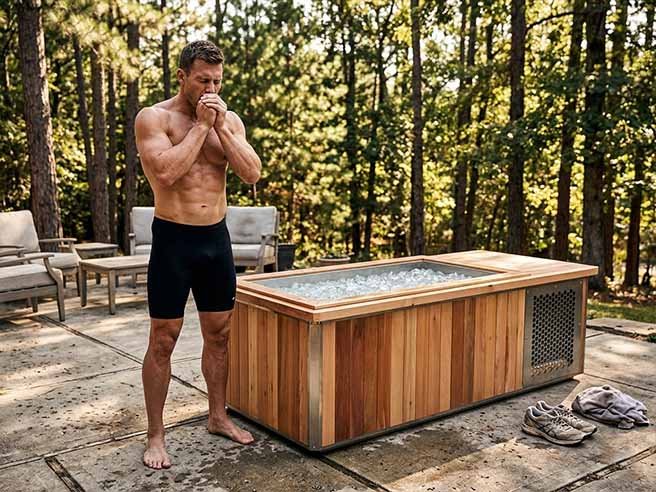
Mistake 1: Starting way too cold
This is the classic one. A beginner sees advanced users sitting in near-freezing water and assumes that colder must mean better. It sounds logical. It also backfires all the time.
For beginners, a common safer starting range is around 10°C to 15°C (50°F to 59°F), and many health sources suggest beginning with just 1 to 2 minutes before extending slowly as tolerance improves. Going much colder right away can intensify the cold-shock response and make the experience harder to control.
Here’s the thing: your body does not hand out bonus points for drama. If you drop into brutally cold water on day one, you may start gasping, tense up, panic, and rush out before you get anything useful from the session. Then the whole routine becomes a mental battle instead of a recovery habit.
A better beginner mindset is this: cold enough to feel very cold, not so cold that you lose composure. That sweet spot is boring to some people. It works anyway.
If you’re using home equipment, this is where a controlled temperature system helps. It removes the guesswork. Also read:《 Ice Bath Temperature Guide: What’s Safe and Effective?》
Mistake 2: Staying in too long
Another rookie move. People assume that if 2 minutes is good, then 10 minutes must be better. Not really.
Research summaries and clinical guidance often place practical cold-water sessions in the short-to-moderate range, while beginner-facing advice commonly starts at 1 to 2 minutes and builds carefully. Even in athletic recovery literature, commonly discussed protocols tend to sit around 10°C to 15°C for roughly 10 minutes or so, not endless soaking.
The mistake here is chasing endurance rather than effect. Long exposure can raise the risk of excessive cooling, numbness, loss of control, and a plain bad experience. And once the body is shivering hard and your coordination starts slipping, that session has gone past “disciplined” and into “why am I doing this to myself?”
For beginners, shorter is usually smarter:
- First few sessions: around 1 to 2 minutes
- After some adaptation: maybe 3 to 5 minutes
- Only extend when entry, breathing, and exit all feel controlled
That’s not timid. That’s good training judgment.
Mistake 3: Ignoring your breathing
You know what? This one matters more than temperature for many beginners.
Sudden immersion in cold water can trigger rapid breathing and an involuntary gasp. That reaction is part of the cold-shock response, and it’s one reason abrupt immersion can be risky. The first job in an ice bath is not “sit still and be tough.” The first job is to regain steady breathing.
If you jump in too fast and then try to force yourself through the panic, you teach your nervous system that the tub is a threat. That makes the next session worse.
Instead, ease in with control. Shoulders tense? Slow down. Breathing gets choppy? Pause. Focus on long exhales. The session starts working better when your breathing settles and your posture softens a little. Not fully relaxed—let’s be real—but steady.
That’s why experienced coaches often say the breath leads the plunge. It sounds slightly poetic, sure, but it’s also practical. If you can’t control your breath, you’re not controlling the session.
Mistake 4: Using ice baths when you have a medical risk factor and not checking first
This part is not exciting, but it’s important.
Cold exposure can increase blood pressure, heart rate, and cardiac workload, and experts warn that people with cardiovascular disease or underlying heart issues may face greater risk with sudden cold immersion. The American Heart Association has specifically warned that the cold-shock response places stress on the heart.
So if you have heart disease, uncontrolled high blood pressure, a history of fainting, arrhythmia concerns, circulation problems, or anything similar, this is not the moment to play internet tough guy. Talk to a clinician first.
That does not mean cold therapy is off-limits for every person with every condition. It means beginners should respect the fact that cold water is a real physiological stressor, not a cute wellness prop.
And honestly, that’s one of the biggest mindset shifts for new users: an ice bath is equipment, not decor.
Mistake 5: Plunging alone the first time
A first session can be more intense than people expect. Your breathing changes fast, your muscles tense up, and your decision-making can get weirdly sloppy. It’s not always dramatic, but it can be.
That’s one reason many safety recommendations around cold-water exposure emphasize controlled entry, awareness of symptoms, and caution around sudden immersion.
For a beginner, the first plunge should ideally happen with someone nearby, especially if you’re going full-body. Not because disaster is guaranteed, but because support makes better habits easier. Someone else can help you keep the session short, watch for signs you’re overdoing it, and stop you from turning a simple test run into a stubborn contest.
The same logic applies in a home gym or recovery room. Set things up so you can get in and out easily. Keep a towel close. Keep your phone nearby but dry. Keep the area free of slippery nonsense. Little details matter when you’re cold and clumsy.
Mistake 6: Going in right after intense heat or stacking extremes carelessly
The hot-to-cold trend looks sleek online: sauna, plunge, repeat. But abrupt contrast can be a lot for a beginner.
Respiratory and cardiovascular experts have warned that rapid switching between intense heat and cold can raise blood pressure and contribute to shock-like stress responses in some people.
That doesn’t mean contrast routines are automatically bad. It means they are not beginner-friendly just because they’re popular.
When you’re starting out, keep variables simple:
- One cold exposure
- Moderate temperature
- Short duration
- Full control before and after
Build skill first. Fancy routines can wait.
Mistake 7: Expecting ice baths to fix everything
This one sneaks up on people. A beginner tries cold water once and expects instant recovery, perfect sleep, a better mood, and superhero-level discipline by Friday.
The evidence is more modest than the hype. Reviews suggest cold-water immersion may help with soreness and some aspects of recovery, but effects vary based on the person, the sport, the protocol, and what outcome you care about. A recent systematic review on health and wellbeing also found the evidence base is still limited by small samples and study differences.
That’s not bad news. It’s useful news.
Ice baths can be one tool in a bigger recovery system:
- sleep
- hydration
- food
- training load
- consistency
- stress control
If those things are a mess, cold water won’t save the day. It may still feel good. It just won’t perform miracles.
A nice way to think about it: an ice bath is like quality tires on a car. Helpful? Very. Enough on its own? Not even close.
Mistake 8: Choosing the wrong time for your goal
Not every plunge belongs after every workout.
Cold-water immersion is often used after hard training or competition to reduce soreness and help recovery, but some discussions in sports science have raised concern that frequent post-exercise cold exposure may not always fit every adaptation goal, especially when muscle growth is a top priority. Recovery needs and training goals should guide timing.
So ask yourself a simple question: what am I trying to get from this?
If you’re sore after brutal conditioning, a short cold session may make sense. If you’re mainly chasing hypertrophy and using cold after every lift just because it feels hardcore, you may be solving the wrong problem.
Beginners often miss this because cold plunges get marketed like a lifestyle identity. But timing matters. Purpose matters. Context matters.
Also read: Ice Bath Chiller for Recovery: Does It Improve Performance?
Mistake 9: Forcing a full-body plunge before you’re ready
Some people should not start with chest-deep immersion. Period.
Because immersion level changes how much of the body is exposed, it also changes the body’s response. For beginners, especially nervous ones, starting lower and progressing gradually can make the whole process safer and more sustainable. Sudden whole-body immersion is exactly what tends to intensify the initial breathing and cardiovascular response.
Try building up:
- legs first
- lower body next
- then waist
- then full-body sessions later if appropriate
This sounds almost too simple, but that’s the point. Beginners need progression, not ego.
And once again, there’s that odd little contradiction: going slower often gets you comfortable faster.
Mistake 10: Having no exit plan
Nobody talks enough about the exit. Everyone focuses on getting in. But beginners often feel the weirdest part after the plunge—numb hands, shaky legs, mild dizziness, fumbling with towels, or standing around wet and cold because they forgot what comes next.
That’s sloppy recovery.
Before you start, set up the exit:
- dry towel within reach
- warm, dry clothes ready
- easy step-out area
- no rushing to a hot shower immediately if you feel lightheaded
- no driving off instantly if you feel off
This matters because cold exposure can continue affecting comfort and coordination after the session ends. A clean exit keeps the routine safe and repeatable. Repeatable is the word. The best recovery routine is the one you can actually keep.
Mistake 11: Using a messy setup with poor temperature control
Home users run into this all the time. One day the water is manageable; the next day it’s wildly colder because the ice ratio changed, the room was cooler, or the tub lost more heat overnight.
That inconsistency makes learning harder. You can’t build good habits if the target keeps moving.
A dedicated system with stable cooling and filtration can make beginner sessions more predictable, more hygienic, and less annoying to set up. That is one big reason athletes and serious home users have moved toward purpose-built cold tubs and chillers rather than endless bags of ice. The equipment doesn’t make you braver; it makes the routine easier to repeat. That counts for a lot.
Also read: 《What Is an Ice Bath Chiller? Complete Beginner’s Guide (2026)》
Mistake 12: Confusing discomfort with danger—or danger with discipline
This is a subtle one.
A proper beginner ice bath should feel sharp, uncomfortable, and mentally demanding. That part is normal. But chest pain, severe dizziness, loss of control, confusion, or breathing that won’t settle are not “mental weakness.” Those are signs to get out and stop. Clinical guidance for cold plunges also advises leaving the water if symptoms go beyond normal cold discomfort.
The opposite mistake is quitting too soon because the first 20 to 30 seconds feel intense. Of course they do. That opening moment is usually the hardest.
So the skill is learning the difference:
- sharp cold and controlled breathing: manageable
- panic and escalating symptoms: not manageable
That judgment gets better with practice. But only if you stay honest.
What a good beginner session actually looks like
Let’s make this practical.
A solid first session is almost boring in its simplicity: controlled water temperature, easy entry, short duration, steady breathing, clean exit, no theatrics. That’s it.
A useful beginner template could look like this:
- water around 10°C to 15°C
- session around 1 to 2 minutes
- get in gradually
- focus on slow exhales
- get out while still in control
- rest, dry off, warm naturally
That approach lines up with beginner-oriented health guidance and broader recovery research that favors moderate cold exposure rather than extreme protocols for newcomers.
Then, over time, you adjust one thing at a time. Maybe a bit longer. Maybe slightly cooler. Not both at once. Keep the learning curve gentle.
That’s how routines stick. That’s how beginners turn into consistent users.
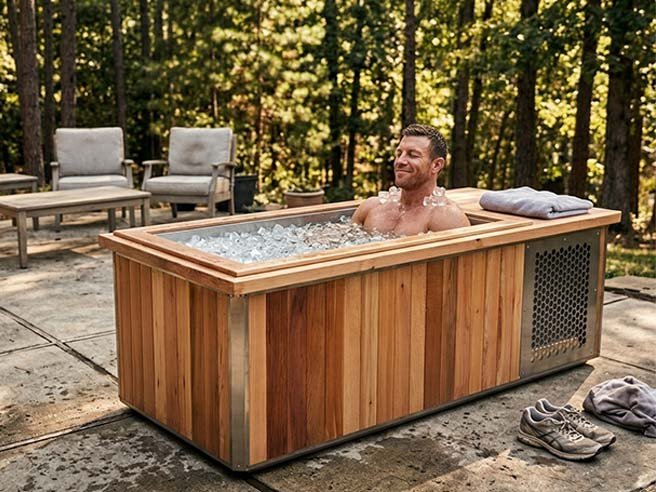
The beginner mindset that makes all of this work
Honestly, the people who do best with ice baths are not always the toughest-looking ones. They’re the ones who stay patient.
They don’t chase punishment. They chase consistency.
They understand that cold therapy is not about winning a daily argument with a tub of water. It’s about using controlled cold exposure as part of a bigger recovery plan. They pay attention to how they feel after sessions, how they sleep, how sore they are the next day, and whether the routine still fits their training.
That’s the smart way to do it.
And once you stop treating the plunge like a test of character, it becomes much more useful. Funny how that works.
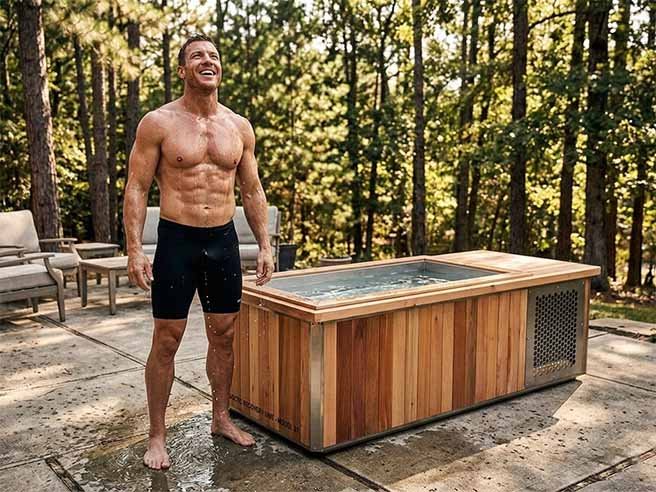
A better way to start with CHILLMEND
If you’re building a home recovery setup, the easiest way to avoid beginner mistakes is to remove the variables that cause them: unstable temperatures, awkward setup, messy maintenance, and guesswork. CHILLMEND designs cold therapy equipment for users who want a more controlled, repeatable experience—whether you’re a first-time cold plunger, a gym owner, or a serious athlete refining recovery. If you want help choosing the right ice bath chiller or tub for your space, contact CHILLMEND and get a setup that makes starting simple instead of stressful.
FAQs
1. What is the safest ice bath temperature for beginners?
For most beginners, a practical starting range is around 10°C to 15°C (50°F to 59°F). That range is commonly recommended in beginner-facing health guidance because it is cold enough to feel effective without jumping straight into extreme exposure.
2. How long should a beginner stay in an ice bath?
A beginner ice bath session often starts at 1 to 2 minutes. After a few controlled sessions, some users gradually move toward 3 to 5 minutes. The key is to leave the water while breathing and movement still feel steady.
3. Are ice baths dangerous for people with heart conditions?
They can be riskier for people with heart disease or other cardiovascular issues because sudden cold exposure can sharply raise breathing rate, blood pressure, and cardiac workload. Anyone with underlying heart concerns should speak with a clinician before trying cold-water immersion.
4. Should beginners use ice baths after every workout?
Not necessarily. Beginner cold plunge timing should depend on your training goal, recovery needs, and how hard the session was. Ice baths are commonly used after tough workouts or competition, but they are not something every person needs after every session.
5. Is an ice bath chiller better than using bags of ice?
For many home users, yes. A dedicated ice bath chiller can give you more stable water temperature, easier repeat sessions, and a cleaner setup than constantly adding bags of ice by hand. That consistency makes it easier for beginners to build a routine and avoid guesswork.

One comment on “Ice Bath for Beginners: Mistakes You Must Avoid”