
Let’s be honest—ice baths sound simple. Fill a tub, add ice, sit in it, and boom… recovery, right?
Well, not quite.
Temperature is the whole game here. Too warm? You’re basically taking a cold bath with bragging rights. Too cold? You risk shock, numbness, or worse. Somewhere in between lies that sweet spot where your body adapts, recovers, and—strangely enough—starts to crave it.
So let’s break it down in a way that actually makes sense. No fluff, no guesswork—just what works, what’s safe, and how to dial in your setup like a pro.
A Quick Blueprint (Before We Get Into the Chill)
Before we go deep, here’s the simple framework:
- Optimal temperature range: 10°C–15°C (50°F–59°F)
- Beginners: Start closer to 15°C
- Advanced users: May go down to 8°C (with caution)
- Below 5°C? That’s not recovery—that’s survival mode
Now let’s unpack why.
Why Temperature Actually Matters (More Than You Think)
You know what? A lot of people assume colder is always better. It’s not.
Here’s the thing—your body responds to cold through a process called vasoconstriction. Blood vessels tighten, inflammation drops, and once you get out, circulation rebounds like a spring. That’s where the magic happens.
But—and this is important—that response only kicks in within a certain range.
• Too Warm: You Miss the Benefits
If your water sits above 15°C (59°F), your body doesn’t experience enough stress to trigger meaningful recovery. You might feel refreshed, sure—but muscle inflammation? Barely touched.
Think of it like doing half a workout. You moved, but did it really count?
• Too Cold: You Shock the System
Drop below 8°C (46°F), and things change quickly. Your breathing spikes, your heart rate jumps, and your nervous system goes into fight-or-flight mode.
That’s not recovery anymore—it’s stress overload.
• The Sweet Spot: Controlled Stress
Between 10°C and 15°C, you get what coaches call “adaptation stress.” It’s uncomfortable, yes—but controlled. Your body learns, adapts, and becomes more resilient.
And honestly, that’s where most athletes stay.
Finding Your Ideal Ice Bath Temperature (Not Just Copying Others)
Here’s where it gets personal.
You’ve probably seen athletes sitting in tubs filled with floating ice chunks like it’s nothing. But what works for them might wreck your experience.
Let me explain.
• Beginners: Ease Into the Cold
Start at around 14°C–15°C (57°F–59°F). It’ll feel cold—no doubt—but manageable. Your breathing will stay under control, and you’ll build tolerance without panic.
Stay in for 5–10 minutes. That’s enough.
• Intermediate Users: Lower, But Smarter
Once your body adapts, you can bring it down to 11°C–13°C (52°F–55°F). This is where recovery really starts to feel effective—less soreness, quicker bounce-back.
But don’t rush here. Give it a couple of weeks.
• Advanced Athletes: Precision Over Ego
Yes, you can go as low as 8°C–10°C (46°F–50°F). But here’s the catch—it’s not about proving toughness. It’s about control.
Shorter sessions. Better breathing. Full awareness.
Honestly, most pros don’t stay long at these temps. They dip, get the stimulus, and get out.
Duration vs Temperature: The Trade-Off Nobody Talks About
Here’s something people overlook—temperature and time are connected.
Colder water means shorter sessions. Warmer water means you can stay in longer.
Let’s simplify:
- 15°C (59°F) → 10–15 minutes
- 12°C (54°F) → 8–12 minutes
- 10°C (50°F) → 5–10 minutes
- Below 8°C → 2–5 minutes (only if experienced)
It’s a balancing act. Stay too long in very cold water, and you’re not “optimizing”—you’re overdoing it.
Kind of like running sprints for an hour. Sounds intense, but it’s not smart.
Ice vs Ice Bath Chiller: Why Temperature Control Changes Everything
Let’s take a slight detour here—because this matters more than most people realize.
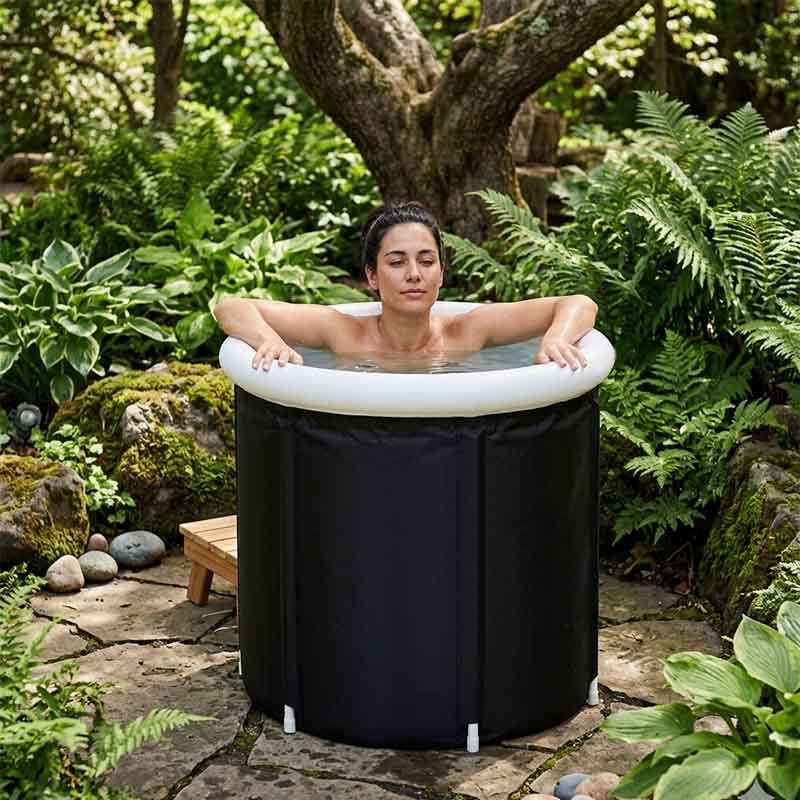
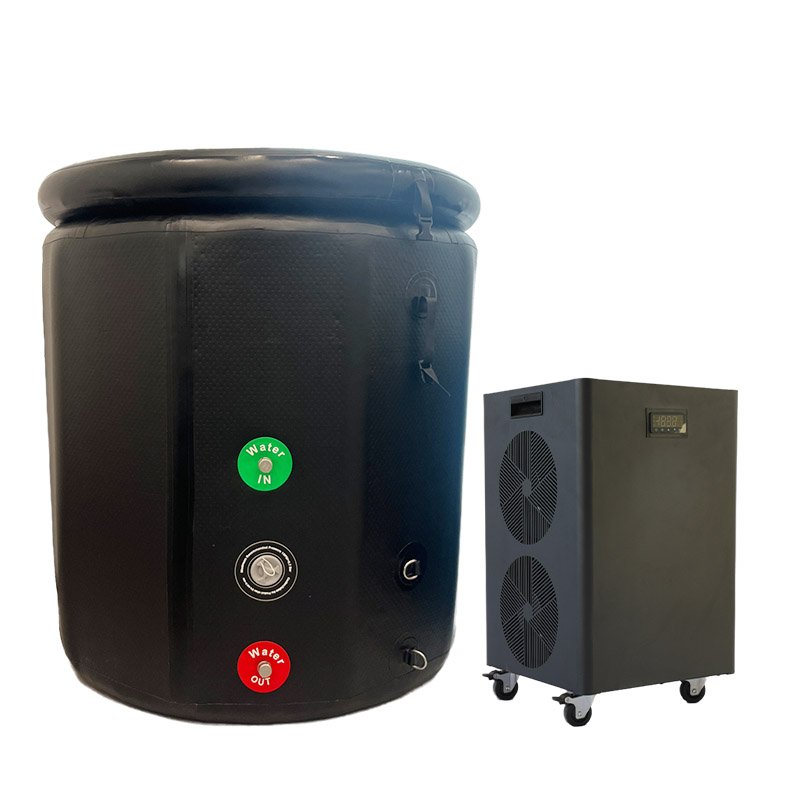
• The Ice Problem
Using ice is unpredictable. One day your bath is 12°C, the next it’s 6°C, depending on how much ice you dumped in.
And honestly, who wants to measure bags of ice every time?
• The Chiller Advantage
With a dedicated system like what you’ll find on CHILLMEND Ice Bath Systems, you set the temperature—and it stays there.
No guesswork. No overshooting.
You want 12°C? You get 12°C. Every single time.
And that consistency? That’s what actually builds results.
Common Mistakes (Yeah, Almost Everyone Makes These)
Even seasoned users slip up. Let’s clean a few things up.
• Jumping in Too Cold Too Fast
You saw a video, got inspired, filled your tub with ice—and lasted 30 seconds.
Not ideal.
Cold exposure is a skill. It builds gradually, just like strength or endurance.
• Ignoring Your Breathing
If your breathing is out of control, your body is stressed—not adapting.
Slow inhale. Longer exhale. Stay present.
• Staying Too Long
More is not better here. After a certain point, benefits plateau—and risks increase.
• Skipping Warm-Up After
You don’t need a hot shower immediately. Let your body rewarm naturally. That rebound circulation? It’s part of the benefit.
Seasonal Adjustments: Yes, It Matters
Funny enough, your ideal temperature can shift depending on the time of year.
- Winter: Your body is already cold-adapted—slightly warmer baths (12–15°C) feel effective
- Summer: You can tolerate colder temps more easily, but don’t overdo it just because it feels easier
Your body isn’t static. Adjust with it.
Signs Your Ice Bath Temperature Is “Just Right”
Not sure if you’ve nailed it yet? Look for these signals:
- Initial cold shock fades within 60–90 seconds
- Breathing stabilizes naturally
- You feel alert, not panicked
- After exiting, you feel energized—not drained
If you’re shivering uncontrollably or gasping for air… yeah, that’s too cold.
The Mental Edge (Because It’s Not Just Physical)
Here’s something people don’t always say out loud—the right temperature also trains your mind.
You sit in discomfort, stay calm, control your breath. That carries over into workouts, competition, even daily stress.
It’s not just recovery. It’s discipline.
And that’s probably why so many athletes stick with it long-term.
FAQs: Ice Bath Temperature Guide
1. What is the safest ice bath temperature for beginners?
For beginners, the safest ice bath temperature is between 14°C and 15°C (57°F–59°F). This range allows your body to adapt gradually without triggering extreme cold shock. It’s cold enough to stimulate recovery but still manageable for first-time users.
2. How cold should an ice bath be for muscle recovery?
The ideal ice bath temperature for muscle recovery typically falls between 10°C and 15°C (50°F–59°F). This range helps reduce inflammation, improve circulation, and speed up recovery without putting excessive stress on your body.
3. Is an ice bath at 5°C too cold?
Yes, for most people, 5°C (41°F) is too cold. At this level, your body may enter a stress response, increasing heart rate and breathing difficulty. It’s only recommended for highly experienced users under controlled conditions.
4. How long should I stay in an ice bath at 10°C?
At 10°C (50°F), staying in the ice bath for 5 to 10 minutes is generally effective. Longer exposure doesn’t necessarily improve recovery and may increase the risk of overexposure.
5. Do I need a chiller to maintain the right ice bath temperature?
While you can use ice, maintaining a consistent temperature is difficult. A dedicated system like CHILLMEND Ice Bath Solutions allows precise control, ensuring your ice bath stays within the optimal range every time—no guesswork involved.
Final Thoughts: Dial It In, Don’t Guess It
Here’s the takeaway—ice baths aren’t about going extreme. They’re about being precise.
Get the temperature right, and everything else falls into place—recovery, performance, even mental clarity.
And if you’re serious about consistency (and let’s face it, consistency is where results come from), then having a controlled setup makes all the difference.
Ready to Take Your Recovery Seriously?
If you’re tired of guessing your ice bath temperature or dealing with melting ice and inconsistent results, it might be time to upgrade your setup.
CHILLMEND specializes in professional-grade ice bath chillers designed for athletes, fitness centers, and performance-focused individuals who want reliability—not randomness.
Reach out today and find a system that fits your routine. Because recovery shouldn’t be a gamble—it should be dialed in.

One comment on “Ice Bath Temperature Guide: What’s Safe and Effective?”