
Quick heads-up before we get into it: buying an ice bath chiller isn’t like grabbing a treadmill or a set of dumbbells. It’s closer to choosing a mini HVAC system—only this one directly affects your recovery, your performance, and honestly… your daily routine.
So yeah, getting it right matters.
Quick Outline (So You Know Where This Is Going)
- What actually matters when buying a chiller
- The common mistakes people make (and regret later)
- A practical checklist you can follow step by step
- Real-world buying scenarios (home vs gym vs commercial)
Let’s get into it.
Why Buy Ice Bath Chiller Feels Simple… But Isn’t
At first glance, it’s easy. You think: “I just need something that makes water cold.”
But then reality kicks in.
Different tubs, different climates, different usage frequency—it all changes what kind of chiller you actually need. A unit that works perfectly for a solo athlete in a cool climate might completely fail in a busy gym in a hot region.
Here’s the thing:
A chiller isn’t just about temperature—it’s about consistency, recovery quality, and long-term cost.
And that’s where most people get tripped up.
The Core Buyer’s Checklist (Don’t Skip This Part)
Let me break this down into something you can actually use when comparing options.
1. Cooling Capacity (HP Rating) — The Heart of It All
This is where most decisions go right… or very wrong.
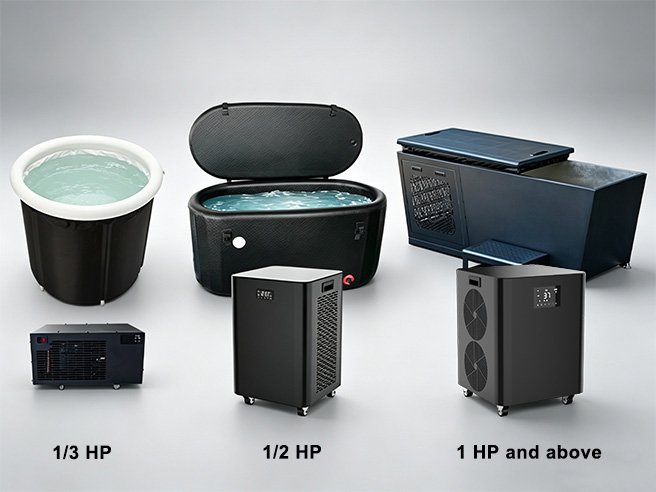
- 1/3 HP → Small tubs, occasional use
- 1/2 HP → Personal daily use
- 1 HP+ → Fast cooling, larger tubs, or commercial setups
Now here’s the catch:
Manufacturers often oversell cooling ability. Real performance depends on insulation, ambient temperature, and water volume.
Think of it like air conditioning—bigger rooms need more power. Same logic.
2. Cooling Speed — Because Waiting 4 Hours Isn’t Fun
Some chillers take forever. Others? Surprisingly fast.
What affects speed:
- Compressor quality
- Ambient temperature
- Starting water temperature
- System wattage
A strong system (around 2500W+) can cool a 300–400L tub in a reasonable time.
If you’re running a gym, slow cooling isn’t just annoying—it’s lost business.
3. Temperature Stability — The Hidden Game-Changer
You don’t just want cold water.
You want stable cold water.
Why?
Because fluctuating temperatures reduce recovery benefits. Your body responds differently to consistent cold exposure compared to unstable dips.
Look for:
- Intelligent temperature control
- Continuous cooling capability
- Minimal fluctuation range
Honestly, this is one of those specs people ignore… until they experience the difference.
4. Filtration & Water Hygiene — More Important Than You Think
Let’s be real for a second.
Cold water + repeated use = bacteria risk.
A proper system should include:
- Multi-stage filtration
- UV sterilization
- Easy-to-clean filters
Without this, you’ll end up changing water constantly—or worse, dealing with hygiene issues.
And no one wants that.
5. Energy Efficiency — The Long-Term Cost Factor
Here’s where things get interesting.
Some chillers are cheaper upfront… but expensive to run.
Others cost more initially but save money over time.
Look for:
- High-efficiency compressors
- Lower kWh consumption during steady operation
- Smart temperature maintenance modes
A well-designed system can run for long periods with surprisingly low power usage.
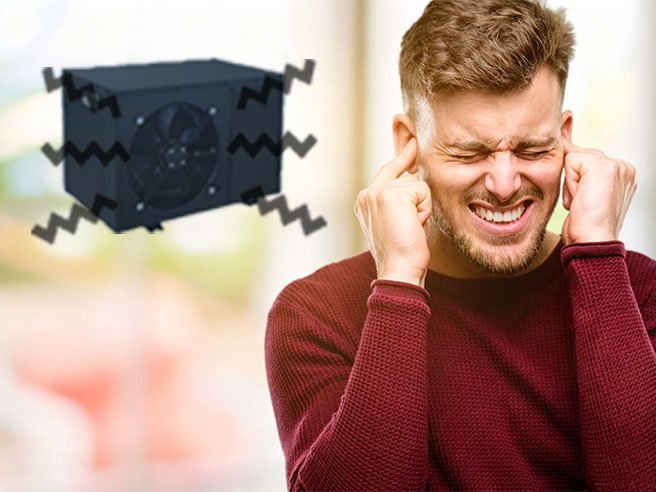
6. Noise Level — Especially for Home Use
You know what? This gets overlooked all the time.
A loud chiller can completely ruin the experience—especially indoors.
Typical expectations:
- Quiet models: ~40–50 dB
- Standard models: ~50–70 dB
If you’re placing it on a balcony, garage, or recovery room… this matters more than you think.
7. Build Quality & Durability — Don’t Buy a Short-Term Fix
A chiller is a mechanical system. And like any machine, quality matters.
Look for:
- Durable compressor systems
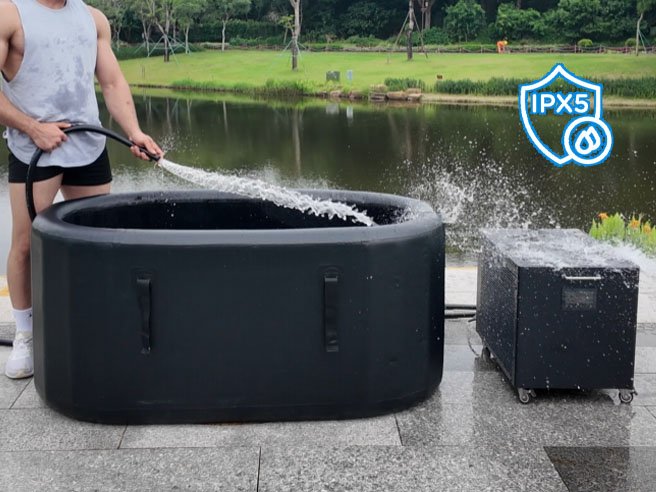
- Weather-resistant casing (IPX-rated is a plus)
- Reliable internal components
This is one of those “buy once, cry once” situations.
8. Ease of Use — Because Complicated Systems Get Ignored
If it’s hard to use, you won’t use it consistently.
Simple as that.
Ideal features:
- Plug-and-play setup
- Digital control panel
- Minimal maintenance requirements
You want something that fits into your routine—not something that disrupts it.
9. Indoor vs Outdoor Compatibility
Not all chillers are designed for both.
Outdoor-ready units should have:
- Waterproof protection (like IPX5)
- Stable operation in varying temperatures
Indoor units focus more on:
- Noise control
- Compact design
Choosing the wrong type? That’s a fast track to frustration.
10. Real Use Case — Match the Chiller to Your Lifestyle
Let’s make this practical.
- Personal use (once daily) → 1/2 HP, moderate speed
- Athlete (frequent use) → 1 HP, fast cooling, stable temp
- Gym/commercial → High power, continuous operation, strong filtration
This is where many buyers go wrong—they buy based on price, not usage.
Common Buying Mistakes (That Cost You Later)
Let me save you from a few headaches.
- Buying too small → slow cooling, frustration
- Ignoring filtration → constant maintenance
- Choosing based on price only → higher long-term cost
- Underestimating noise → regret in home setups
- Forgetting environment (indoor/outdoor)
Honestly, most regrets come from skipping just one of these.
A Quick Reality Check: DIY vs Buying a Real System
Some people consider building their own setup.
And sure—it can work.
But here’s the trade-off:
- DIY → lower cost, higher effort, inconsistent results
- Professional system → higher upfront cost, reliable performance
If you value time, consistency, and ease, buying a proper chiller usually wins.
So… What’s the “Right” Choice?
Here’s the honest answer:
It depends.
But if you:
- Use ice baths regularly
- Care about recovery quality
- Want a hassle-free system
Then investing in a well-built chiller isn’t just a purchase—it’s part of your performance setup.
FAQs (Real Questions People Actually Ask)
1. What size ice bath chiller do I need for home use?
For most home users, a 1/2 HP chiller works well with tubs around 200–300L. If you want faster cooling or live in a warm climate, consider 1 HP.
2. How long does it take to cool an ice bath?
Depending on the system, it can take anywhere from 1.5 to 4 hours. Higher power units significantly reduce this time.
3. Is an ice bath chiller better than using ice?
Yes—chillers provide consistent temperature, lower long-term cost, and eliminate the need to constantly buy ice.
4. Do I need filtration in my ice bath system?
Absolutely. A proper filtration system keeps water clean, reduces maintenance, and improves overall hygiene.
5. Can I use an ice bath chiller outdoors?
Yes, but only if it’s designed for outdoor use (look for waterproof ratings like IPX5).
Final Thoughts (And a Bit of Straight Talk)
You could go cheap. Many people do.
But if you’re serious about recovery—or planning to use your ice bath regularly—you’ll feel the difference almost immediately with a properly designed system.
Better cooling. Better consistency. Less hassle.
And honestly… once you get used to that level of convenience, there’s no going back.
Ready to Upgrade Your Recovery Setup?
If you’re looking for a reliable, high-performance ice bath chiller built for real-world use—not just specs on paper—CHILLMEND has you covered.
From powerful cooling systems to smart filtration and long-term durability, we design chillers that actually fit how people use them.
Reach out to CHILLMEND today and find the right solution for your setup—whether it’s personal recovery or commercial use.