
If you’ve spent any time researching cold plunge setups lately, you’ve probably noticed something: not all ice bath chillers are built the same. Some cool quickly, but sound like a portable air conditioner trapped in your garage. Others look sleek online, then struggle to hold temperature after a few summer sessions.
And honestly? That’s where most buyers get stuck.
A proper ice bath chiller unit is more than a cooling box attached to a tub. It’s the engine behind your recovery system — the part that determines water stability, hygiene, energy consumption, noise level, and long-term reliability.
Whether you’re building a home recovery corner, upgrading a commercial wellness studio, or sourcing systems for resale, choosing the right chiller matters more than most people realize.
So let’s break it down properly.
A Quick Outline Before We Get Into the Details
What We’ll Cover
- What an ice bath chiller unit actually does
- Different types of chiller systems
- 1/3HP vs 1HP vs commercial power
- Cooling speed and temperature performance
- Indoor vs outdoor installation
- Filtration and sanitation systems
- Noise, energy use, and maintenance
- How to compare models realistically
- What kind of buyer needs which setup
- How to request the right quote
What Is an Ice Bath Chiller Unit, Really?
An ice bath chiller unit is a refrigeration system designed to cool and circulate water for cold therapy. Instead of dumping bags of ice into a tub every day, the chiller continuously maintains your target temperature automatically.
Simple in theory. A bit more complicated in practice.
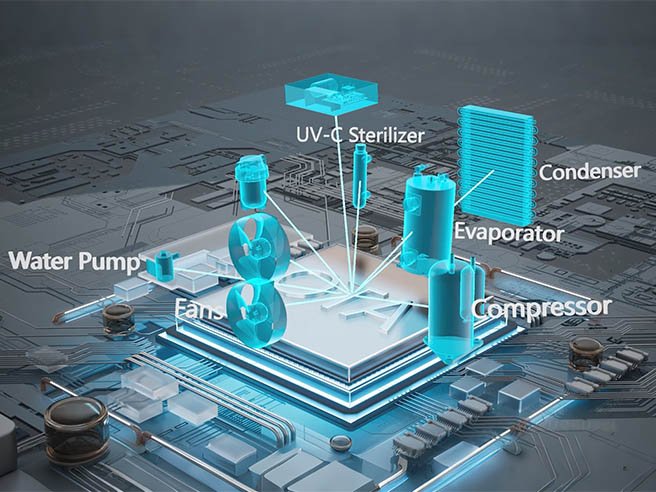
A complete system usually includes:
- Refrigeration compressor
- Water pump
- Heat exchanger
- Filtration system
- UV or ozone sanitation
- Controller System
- sensors
- Tub connection ports
Some advanced systems also include Wi-Fi control, scheduled cooling routines, heating modes, app monitoring, and higher‑end models are also equipped with a vacuum water pumping device.
Here’s the thing, though — two units may both claim “3°C cooling capability,” yet perform completely differently in real use. That’s where experience and engineering start to matter.
Why More Athletes Are Switching Away From Ice Bags
Traditional ice baths still work. Nobody’s arguing that.
But daily ice purchasing becomes annoying fast. Especially if you’re doing cold therapy consistently after training sessions, marathon prep, Hyrox events, CrossFit classes, or recovery clinic operations.
You know what usually happens?
People start enthusiastically… then slowly stop because the setup becomes inconvenient.
That’s exactly why dedicated chiller systems exploded in popularity over the last few years.
A Chiller Changes the Experience
Instead of:
- Buying ice constantly
- Waiting for the water to cool
- Guessing temperatures
- Cleaning cloudy water every few days
You simply:
- Set the target temperature
- Turn on the system
- Step in when ready
It feels less like a “project” and more like an actual recovery routine.
Kind of like the difference between washing clothes by hand versus owning a washing machine. Technically, both work — but one becomes part of daily life.
Comparing Ice Bath Chiller Unit Sizes
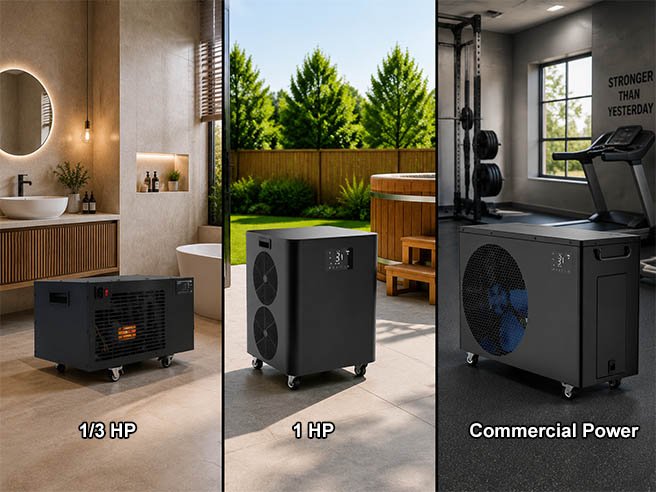
Now we get into the part most buyers search for first: power.
And yes, horsepower matters. But not in the way many listings make it sound.
1/3 HP Ice Bath Chiller Units
These are usually designed for:
- Personal home users
- Inflatable tubs
- Mild climates
- Light daily usage
Typical strengths:
- Lower energy consumption
- Compact size
- Quieter operation
- Easier indoor installation
Possible limitations:
- Slower cooling
- Longer recovery time after multiple users
- Reduced efficiency in hot outdoor environments
A 1/3 HP setup can work surprisingly well for a single user doing consistent recovery sessions. Especially indoors.
But if you live somewhere hot — say Texas, Dubai, Australia, or southern Europe in summer — smaller chillers may struggle during peak heat.
1/2 HP to 3/4 HP Systems
This is often the sweet spot for serious home users.
These systems generally offer:
- Faster cooldown speed
- Better temperature stability
- Improved outdoor performance
- More comfortable operation for multiple users
Honestly, this range is where many people stop regretting their purchase.
The cooling feels more effortless. The unit cycles less aggressively. Water recovers faster between sessions.
If someone trains heavily 4–6 days a week, this category usually makes sense.
1 HP Ice Bath Chiller Units
Now we’re talking commercial territory — or very demanding home setups.
These are ideal for:
- Recovery studios
- Gyms
- Sports teams
- Wellness centers
- Luxury residential setups
- High ambient temperature environments
Benefits include:
- Rapid cooling performance
- Better large-volume water handling
- Faster pull-down temperatures
- Stable operation under heavy usage
But there’s a tradeoff.
Larger chillers:
- Cost more
- Use more electricity
- Need stronger ventilation
- Require more installation space
So bigger isn’t automatically better.
A huge commercial chiller attached to a tiny tub can actually feel inefficient and oversized — like putting a truck engine into a golf cart.
Cooling Speed — The Number Everyone Asks About
“How fast does it cool?”
Fair question.
But cooling speed depends on several variables:
- Starting water temperature
- Tub volume
- Ambient temperature
- Insulation quality
- Chiller horsepower
- Water circulation efficiency
That’s why honest manufacturers usually provide realistic test conditions instead of impossible marketing claims.
For example:
A properly designed 1HP system may cool a 350L–500L tub dramatically faster than smaller systems in warm weather.
Meanwhile, an undersized chiller may technically reach low temperatures eventually… just very slowly.
And slow recovery between users becomes frustrating fast in commercial environments.
Indoor or Outdoor Installation? That Changes Everything
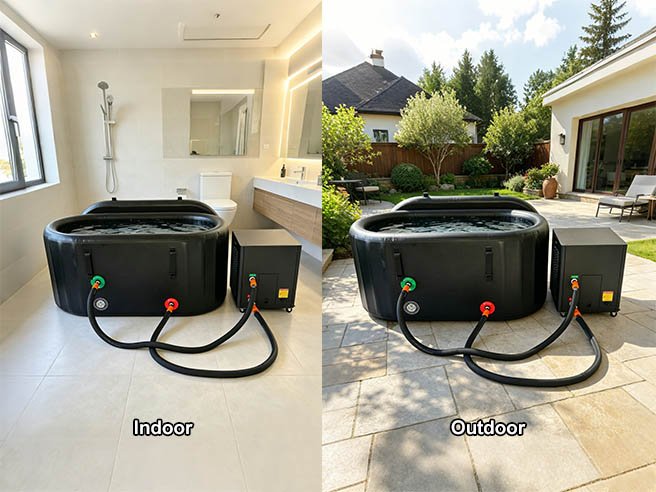
A lot of buyers underestimate this part.
An indoor recovery room behaves very differently from an outdoor patio.
Indoor Installations
Indoor setups usually benefit from:
- Stable ambient temperatures
- Better insulation
- Lower UV exposure
- Reduced rain and humidity issues
That means smaller systems often perform better indoors than outdoors.
Noise matters more indoors too.
Nobody wants a loud compressor humming beside a relaxation room.
Outdoor Installations
Outdoor installations face tougher conditions:
- Heat exposure
- Rain
- Dust
- Humidity
- Sunlight
- Seasonal temperature swings
That’s why weather protection matters.
Look for features like:
- IPX5 waterproof housing
- Corrosion-resistant materials
- Outdoor-safe electrical protection
- Stable compressor cooling airflow
A well-built outdoor chiller should survive real weather — not just staged showroom conditions.
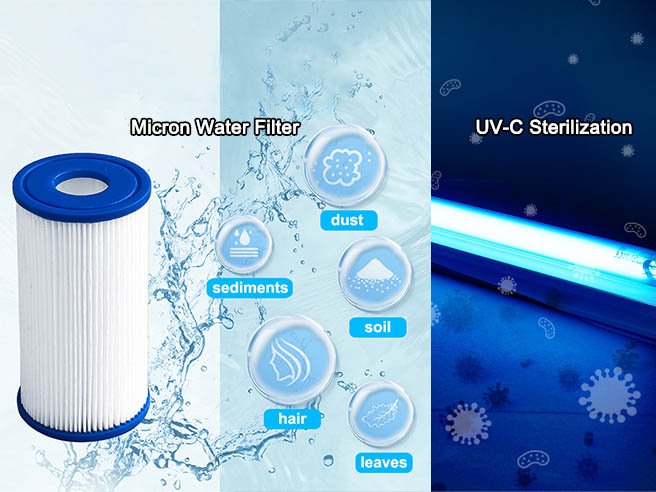
Filtration and Water Hygiene Matter More Than Cooling
This part gets ignored way too often.
Cold water alone does not keep water clean.
Without proper filtration, even expensive tubs become cloudy, slimy, or unpleasant surprisingly quickly.
A Good Ice Bath Chiller Unit Should Include
Multi-Stage Filtration
This removes:
- Hair
- Skin particles
- Debris
- Sediment
Three-stage systems are becoming increasingly common in premium setups.
UV Sterilization
UV systems help reduce:
- Bacteria
- Organic buildup
- Water odor
And honestly, UV sanitation helps reduce maintenance headaches massively for regular users.
Proper Water Circulation
Bad circulation creates dead zones in the tub.
Good circulation keeps the temperature consistent throughout the system.
That’s especially important for larger commercial tubs where multiple people rotate in daily.
Noise Levels — The Hidden Buying Factor
People rarely think about noise until the unit arrives.
Then suddenly, the recovery room sounds like a window AC unit from 2008.
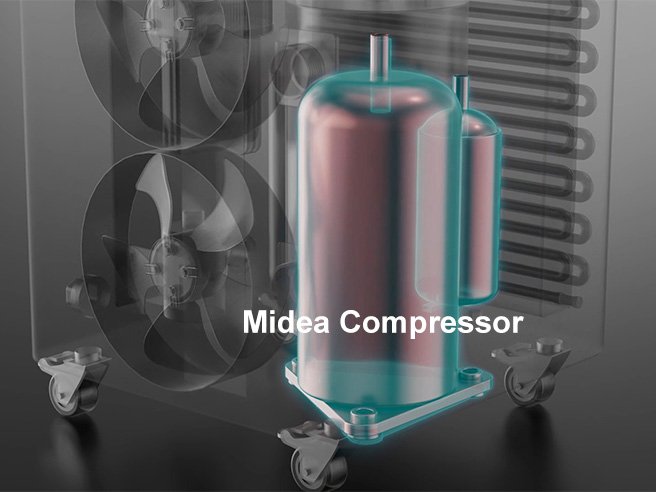
Compressor quality matters here. So does cabinet design and airflow engineering.
Generally speaking:
- Smaller units tend to run quieter
- Better insulation reduces vibration noise
- Variable compressor systems often sound smoother
- Cheap high-RPM fans create harsh noise profiles
If the unit will sit near bedrooms, spas, clinics, or meditation spaces, ask for actual decibel data — not vague descriptions like “super quiet.”
Energy Consumption Is Becoming a Bigger Deal
Electricity costs are climbing in many regions.
So efficiency matters now more than ever.
Modern high-efficiency systems may maintain temperature for long periods with surprisingly reasonable power usage, especially when paired with insulated tubs and smart cooling cycles.
Some premium systems now include:
- Timer scheduling
- Eco modes
- Sleep operation
- Smart temperature recovery
- App monitoring
And honestly, those small operational improvements add up over the years of ownership.
What Commercial Buyers Usually Prioritize
Commercial clients think differently from home users.
A gym owner doesn’t just ask:
“Does it get cold?”
They ask:
- Can it run all day?
- How reliable is the compressor?
- What happens if something fails?
- Is remote troubleshooting possible?
- Are replacement parts available?
- How fast is technical support?
That’s where manufacturing experience starts separating serious suppliers from temporary trend sellers.
OEM and Private Label Buyers Need Different Questions
If you’re sourcing ice bath chiller units for resale, branding matters too.
Many distributors now look for:
- Custom logo support
- Packaging customization
- Voltage flexibility
- Regional certifications
- White-label options
- App branding
- Bulk pricing structures
And certification isn’t optional anymore.
Depending on your market, you may need:
- CE
- ETL
- UL
- SAA
Without proper compliance, importing becomes messy very quickly.
So… Which Ice Bath Chiller Unit Is Right for You?
Here’s the practical version.
Choose Smaller Systems If You:
- Use the tub alone
- Install indoors
- Want lower energy usage
- Prefer quieter operation
- Have limited space
- Refer to CHILLMEND’s 1/3 HP mini chiller and 1/2 HP household chiller.
Choose Mid-Range Systems If You:
- Use cold therapy frequently
- Live in warmer climates
- Want faster cooling
- Need better stability
- Share usage with family or clients
- Refer to Chillmend’s 1 HP cooling‑only model: IB-C10 and IB-H10
Choose Commercial Systems If You:
- Run a gym or recovery center
- Expect heavy daily usage
- Need rapid recovery temperatures
- Operate outdoors commercially
- Want long-term professional reliability
- Refer to CHILLMEND’s commercial model with integrated heating and cooling and an intelligent 3‑stage filtration system. Model: IB-Pro H10, IB-Pro C10 and IB-Ultra 10
Don’t Compare Ice Bath Chillers by Horsepower Alone
This is important.
A bigger HP number doesn’t automatically mean better engineering.
Two 1 HP systems may behave completely differently depending on:
- Compressor quality
- Heat exchanger design
- Refrigerant system efficiency
- Water flow rate
- Cabinet airflow
- Insulation strategy
- Software control logic
That’s why experienced buyers ask for real-world performance data instead of relying purely on specsheets.
Questions You Should Ask Before Requesting a Quote
Honestly, this saves everyone time.
Before contacting suppliers, prepare these details:
Your Tub Size
Approximate liters or gallons matter a lot.
Indoor or Outdoor Use
This changes cooling requirements dramatically.
Climate Conditions
A system in Sweden behaves differently from one in Arizona.
Daily Usage Frequency
One user versus a commercial studio changes everything.
Voltage Requirements
Examples:
- 110V
- 220V
- 230V
- 50Hz
- 60Hz
Target Temperature Range
Some users stay around 10°C.
Others want extremely low temperatures consistently.
Noise Expectations
Especially important for home recovery rooms.
Why Buyers Often Regret Choosing the Cheapest Option
Cold plunge equipment looks deceptively simple online.
But long-term reliability separates professional systems from disposable ones.
The cheapest units often struggle with:
- Weak cooling in summer
- Poor waterproofing
- Low-quality pumps
- Compressor failures
- Inconsistent temperatures
- Weak customer support
And replacing a failed chiller later usually costs more than buying properly once.
A bit frustrating, honestly.
The Industry Is Changing Fast
A few years ago, cold plunges felt niche.
Now?
You see them everywhere:
- Athletic recovery centers
- Luxury hotels
- Wellness clubs
- Biohacking studios
- Home gyms
- Backyard patios
The market matured quickly, and buyers are becoming more educated.
People now care about:
- Long-term durability
- Water sanitation
- Smart controls
- Outdoor reliability
- Energy efficiency
- Service support
Not just “Can it make water cold?”
And that’s a good thing.
FAQs About Ice Bath Chiller Units
How cold should an ice bath chiller unit get?
Most users stay between 3°C and 15°C, depending on experience level and recovery goals. Beginners usually start warmer before gradually lowering temperatures.
What size ice bath chiller unit do I need for home use?
For most residential users, a 1/3 HP to 1/2 HP system works well with insulated tubs under normal conditions. Outdoor setups in hot climates may benefit from larger systems.
Are outdoor ice bath chiller units waterproof?
Some are. Look for outdoor-rated protection such as IPX5 waterproof housing and corrosion-resistant construction for reliable outdoor operation.
How much electricity does an ice bath chiller unit use?
Power consumption depends on horsepower, ambient temperature, insulation, and usage frequency. Efficient systems with insulated tubs generally consume much less power than people expect.
Can one chiller support commercial cold plunge usage?
Yes — commercial-grade systems are specifically designed for gyms, recovery centers, and wellness studios with multiple users throughout the day.
Ready to Compare Ice Bath Chiller Models?
Choosing the right system isn’t just about cooling power. It’s about matching the chiller to your environment, usage habits, recovery goals, and long-term expectations.
At CHILLMEND, we manufacture professional ice bath chiller systems for home users, commercial facilities, wellness brands, and OEM distributors worldwide. From compact residential units to heavy-duty commercial recovery systems, our team can help you compare configurations, cooling capacity, filtration options, voltage requirements, and customization possibilities.
If you want a realistic recommendation — not just a generic sales pitch — contact the CHILLMEND Official Website with your tub size, usage environment, and target market. We’ll help you build the right cold therapy setup for your project.