
Article Outline
- Why Commercial Cold Plunge Chillers Are Becoming Essential for Modern Gyms
- What Makes a Commercial Ice Bath Chiller Different From Home Models
- Key Features Gym Owners Should Evaluate Before Buying
- Cooling Performance: Why Stability Matters More Than Just Low Temperature
- Designing a Reliable Cold Recovery Area for High-Frequency Use
- Maintenance, Filtration, and Long-Term Operating Costs
- How to Choose the Right Commercial Cold Plunge Chiller Supplier
- Why CHILLMEND Is Built for Professional Recovery Facilities
- FAQs About Commercial Cold Plunge Chillers
Commercial Cold Plunge Chillers: What Gym Owners Must Know Before Investing
Cold therapy has moved far beyond professional sports teams and elite training facilities. Today, more gyms, recovery studios, wellness centers, and performance clinics are adding cold plunge systems as a premium service for their members.
But here’s the thing: a cold plunge setup inside a commercial facility is completely different from placing a tub in a private home.
A home user may take one cold plunge session per day. A busy recovery center may have dozens of users stepping into the same system from morning until night. The equipment faces more frequent temperature changes, higher water contamination risks, and much heavier operating pressure.
That’s why choosing the right commercial cold plunge chiller is not simply about finding a machine that reaches cold temperatures.
It is about reliability, energy efficiency, easy maintenance, and the ability to keep delivering the same recovery experience every single day.
You know what? Many gym owners focus on the purchase price first. That makes sense. Every business has a budget.
But a cheaper chiller that struggles during peak hours can create bigger problems later — unhappy members, more maintenance work, higher electricity costs, and lost trust in your recovery service.
A commercial recovery system should work quietly in the background, just like good gym equipment does. Members should notice the results, not the problems.
Why More Gyms Are Adding Cold Plunge Recovery Systems
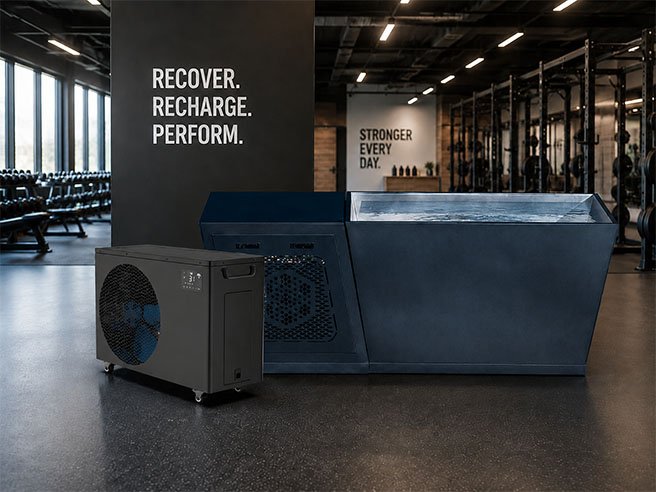
The fitness industry has changed. Members are no longer only looking for treadmills, weights, and cardio machines. They are searching for complete wellness experiences.
Recovery has become part of the membership value.
From professional athletes to everyday fitness enthusiasts, cold exposure has gained attention because many users believe it supports post-workout recovery routines, helps them feel refreshed after intense exercise, and adds a unique experience to their fitness journey.
For gym owners, this creates a new opportunity.
A well-designed cold plunge area can become:
- A premium membership feature
- An additional revenue stream
- A competitive advantage in a crowded fitness market
- A way to attract serious athletes and wellness-focused customers
Luxury gyms, CrossFit facilities, boutique fitness studios, and sports recovery centers are already integrating cold therapy into their spaces.
However, commercial success depends heavily on the equipment behind the experience.
A beautiful tub may attract attention, but the chiller determines whether customers enjoy a consistent experience.
Imagine a member finishes a hard training session and enters the cold plunge expecting a refreshing recovery moment. Instead, the water temperature has climbed because the previous five users warmed it up.
That experience immediately feels less premium.
Commercial cold plunge systems solve this problem by maintaining stable cooling performance even under repeated use.
What Makes a Commercial Cold Plunge Chiller Different?
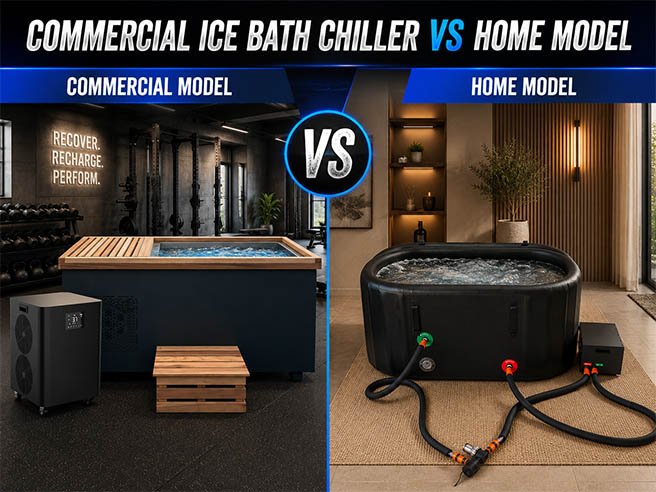
At first glance, commercial and residential cold plunge chillers may look similar. Both cool water. Both connect to a tub. Both display temperature settings.
The difference appears when the workload increases.
A commercial cold plunge chiller is designed around continuous operation.
It typically requires:
Higher Cooling Capacity
Commercial environments create heavier cooling demand.
Every person entering the water transfers body heat into the system. Frequent sessions mean the chiller must remove heat continuously instead of cooling a tub once and maintaining it.
For example, a private user might cool their plunge overnight and use it once in the morning.
A recovery center may need the system ready for multiple sessions throughout the entire day.
This is where cooling capacity matters.
A properly sized commercial ice bath chiller should recover temperature quickly after each session instead of struggling for hours.
Stable Temperature Control
Temperature consistency is one of the most important factors for professional recovery spaces.
A system that reaches a low temperature but cannot maintain stability creates an inconsistent user experience.
Commercial-grade chillers often focus on precise temperature control, helping maintain a steady range during repeated use.
For recovery facilities, consistency builds trust.
Members know what experience to expect every time they enter the cold plunge.
Durable Internal Components
Commercial equipment faces more stress.
The compressor, pump, heat exchanger, electrical components, and filtration system all need to handle longer working hours.
A high-quality commercial chiller usually includes:
- Industrial-grade compressor systems
- Efficient heat exchange technology
- Reliable water circulation
- Strong filtration capability
- Safety protection systems
These details may not be visible to customers, but they determine whether your recovery room operates smoothly.
Cooling Performance: Low Temperature Is Only Part of the Story
Many buyers search for the coldest possible chiller.
It is easy to understand why.
Seeing a specification like “reaches 2°C” or “37°F operation” sounds impressive. But professional buyers should look beyond the lowest temperature number.
A commercial cold plunge chiller needs three important abilities:
1. Reach Target Temperature
The system should cool the water efficiently and reach the required temperature range.
This depends on:
- Water volume
- Ambient temperature
- Insulation quality
- Compressor power
- Heat exchanger efficiency
A larger tub requires more cooling power. Outdoor installations may also require stronger performance because weather conditions affect heat transfer.
2. Recover Temperature Quickly
Recovery speed matters when multiple people use the system.
After a user enters the plunge, the water temperature naturally changes. A commercial chiller must remove that added heat and bring the system back to the target temperature.
This is especially important for:
- Professional sports facilities
- Athlete recovery rooms
- Busy gyms
- Wellness clubs
The goal is not just reaching cold water.
The goal is to keep cold water ready.
3. Maintain Long-Term Stability
A commercial system should be designed for daily operation.
Gym owners should consider:
- Compressor lifespan
- Energy consumption
- Noise levels
- Service access
- Replacement parts availability
A machine that performs well for the first month but creates maintenance headaches later is not a good investment.
Choosing the Right Size Commercial Ice Bath Chiller
One common mistake gym owners make is choosing a chiller based only on price or horsepower.
The correct size depends on the entire setup.
Important factors include:
Tub Capacity
A small personal plunge may only require a compact cooling system.
A large commercial tub with hundreds of liters of water requires significantly more cooling power.
Number of Daily Users
A recovery studio with 20 users per day has different requirements compared with a professional facility serving athletes throughout the day.
Higher user frequency means higher heat load.
Installation Environment
Indoor and outdoor installations behave differently.
Outdoor systems may experience:
- Higher summer temperatures
- Direct sunlight exposure
- Greater temperature fluctuation
Proper insulation and sufficient cooling capacity become even more important.
Expected Operating Hours
A commercial recovery room operating eight hours daily needs a different solution compared with a facility running continuously.
Before selecting a machine, gym owners should think about the future.
Will membership grow?
Will recovery services expand?
Will you add more tubs later?
A good supplier should help evaluate these factors instead of simply selling the largest or cheapest unit.
Building a Reliable Commercial Cold Plunge Recovery Area
Adding a cold plunge to a gym is not just about purchasing a tub and connecting a chiller.
A professional recovery space requires planning.
Many gym owners underestimate the importance of the complete system. The chiller, tub, filtration, drainage, electrical setup, and daily maintenance routine all work together.
Think of it like a high-performance vehicle. A powerful engine alone does not create a great driving experience. The transmission, cooling system, tires, and maintenance schedule all matter.
The same idea applies to commercial cold therapy equipment.
A reliable setup usually includes:
- A properly sized cold plunge tub
- A commercial-grade ice bath chiller
- Water filtration and sanitation systems
- Correct plumbing connections
- Stable electrical supply
- Easy service access
When these parts work together, the recovery area becomes simple for staff to manage and enjoyable for members to use.
Filtration and Water Maintenance: The Hidden Side of Commercial Cold Plunge Systems
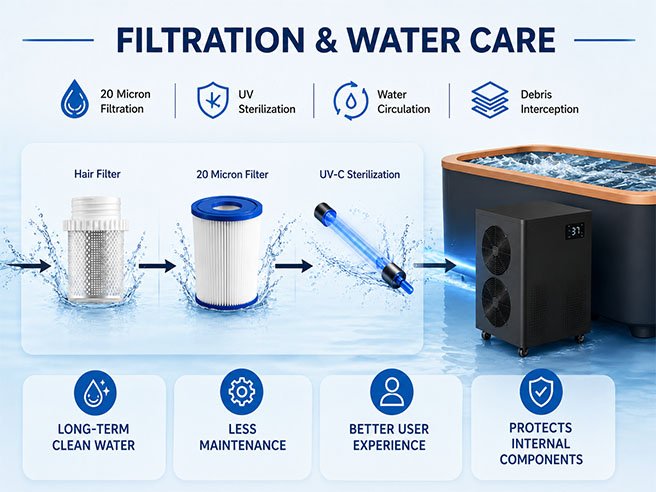
Cooling performance gets most of the attention, but water quality is equally important.
A commercial cold plunge may be used by many people every day. Sweat, skin oils, and other contaminants can quickly affect water cleanliness without proper filtration.
That is why professional systems should include effective water circulation and filtration.
A good filtration system helps:
- Keep water clearer
- Reduce maintenance frequency
- Improve user experience
- Protect internal components
For gym owners, this means less daily work for staff.
Nobody wants their team spending hours managing a recovery system. The goal is to create a setup that feels premium while remaining practical behind the scenes.
A well-designed commercial cold plunge chiller should support easy maintenance through features such as:
- Accessible filter replacement
- Simple drainage design
- Durable water pumps
- Easy inspection points
Small details make a big difference after months and years of operation.
Energy Efficiency: The Long-Term Cost Gym Owners Should Consider
The initial equipment price is only one part of the investment.
A commercial cold plunge chiller may operate many hours every week, which means energy consumption directly affects operating costs.
A system that saves a little money upfront but consumes significantly more electricity can become expensive over time.
Energy-efficient commercial chillers focus on:
- Efficient compressors
- Optimized refrigeration systems
- Better heat exchange performance
- Intelligent temperature management
The goal is simple: maintain cold water without unnecessary energy waste.
For facilities operating multiple recovery systems, these savings can become meaningful.
A gym owner should always ask:
“How much will this system cost me after one year of operation?”
Not only:
“How much does this machine cost today?”
This mindset separates professional buyers from simple price shoppers.
Noise Level Matters More Than Many People Expect
Cold plunge chillers contain compressors, fans, pumps, and refrigeration components.
In a commercial environment, noise can affect the customer experience.
Imagine a premium recovery room designed with relaxing lighting, comfortable seating, and a wellness atmosphere.
Then a loud machine starts running beside the plunge.
The entire feeling changes.
For gyms, spas, and wellness centers, quiet operation is a valuable feature.
A commercial cold plunge chiller should balance:
- Strong cooling performance
- Efficient airflow
- Compressor stability
- Low operating noise
Modern recovery spaces are not only functional. They are experiences.
Every detail influences how customers perceive your brand.
Maintenance and After-Sales Support: The Supplier Relationship Matters
A commercial cold plunge chiller is a long-term business asset.
That means the supplier relationship matters almost as much as the equipment itself.
Before purchasing, gym owners should ask:
- Are replacement parts available?
- Does the supplier provide technical support?
- Is there documentation for installation and maintenance?
- Can problems be diagnosed remotely?
- How long is the warranty period?
A professional manufacturer should not disappear after delivery.
Commercial customers need confidence that support exists months or years later.
This is especially important for overseas buyers working with international suppliers.
A reliable manufacturer should provide:
- Clear technical documents
- Installation guidance
- Spare parts support
- Remote troubleshooting
- Long-term cooperation
The cheapest supplier is rarely the cheapest choice when downtime affects your business.
How to Choose the Right Commercial Cold Plunge Chiller Manufacturer
The cold plunge market is growing quickly. More companies are entering the industry, but not every supplier has the engineering ability required for commercial applications.
Gym owners and distributors should evaluate manufacturers carefully.
Here are the key factors to consider.
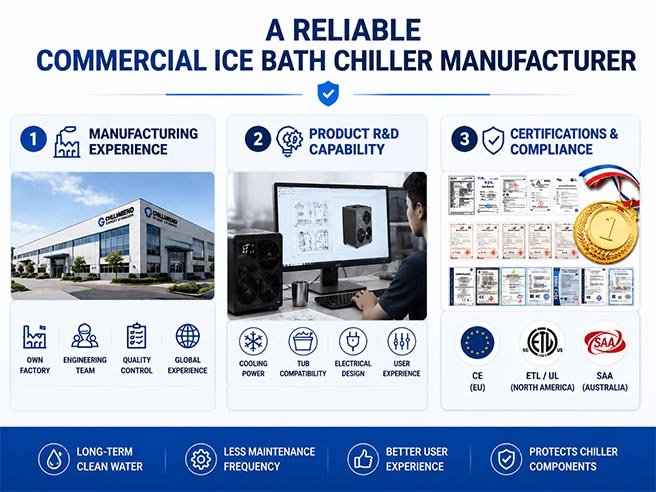
1. Manufacturing Experience
A company producing commercial cooling equipment should understand refrigeration systems, water circulation, electrical safety, and long-term operation.
Look for manufacturers with:
- Dedicated production facilities
- Engineering teams
- Quality control processes
- Experience serving international markets
Experience matters because commercial problems often appear after installation, not during a showroom demonstration.
2. Product Development Capability
The best suppliers are not simply factories producing standard models.
Professional partners can help optimize:
- Cooling capacity
- Tub compatibility
- Electrical specifications
- Appearance design
- User experience
For brands building their own recovery products, ODM and OEM capability can create significant advantages.
A strong engineering partner can help turn a concept into a market-ready product.
3. Quality Certifications and Compliance
Commercial buyers should consider whether the equipment meets regional requirements.
Important certifications may include:
- CE certification for European markets
- ETL or UL-related compliance for North America
- SAA certification for the Australian market
Compliance reduces risks during import, installation, and commercial operation.
Why CHILLMEND Is Designed for Professional Recovery Facilities
CHILLMEND focuses on one specific mission: developing reliable cold therapy systems for modern recovery businesses.
As an ice bath chiller manufacturer with over 10 years of experience, CHILLMEND combines refrigeration engineering, product development, and manufacturing capability to support gyms, wellness brands, rehabilitation centers, and distributors worldwide.
Unlike suppliers focused only on basic cooling units, CHILLMEND develops complete recovery solutions.
Our commercial cold plunge chiller systems are designed around real business needs:
Commercial-Ready Cooling Performance
CHILLMEND commercial models are engineered for repeated daily operation, helping recovery facilities maintain stable cold water temperatures even under frequent use.
Features include:
- Powerful compressor systems
- Efficient heat exchange technology
- Stable temperature control
- Continuous cooling capability
The goal is simple: keep the recovery experience consistent from the first customer of the day to the last.
Built for Long-Term Operation
Commercial equipment must handle real-world usage.
CHILLMEND systems focus on:
- Durable components. All components are affixed with CE marking, and the complete machine is eligible for ETL certification.
- Easy maintenance access. Modular design. Consumables can be replaced manually with ease, and wear parts are easy to disassemble and replace.
- Reliable water circulation. All internal water pipelines of the unit are made of stainless steel, featuring leak-proof performance and long service life.
- Professional after-sales support
For gym owners, this means less equipment downtime and fewer operational concerns.
OEM and ODM Partnership for Recovery Brands
Many businesses today want more than just purchasing a standard machine.
They want their own recovery brand.
CHILLMEND supports partners with:
- Custom logo solutions
- Product appearance customization
- Technical recommendations
- Cooling system development
- Packaging support
- Production management
From early concept discussions to mass production, CHILLMEND works as a technical partner rather than only a supplier.
Commercial Cold Plunge Chiller Buying Checklist
Before placing an order, gym owners should review:
✓ Is the cooling capacity suitable for daily usage?
✓ Can the system maintain stable temperatures during repeated sessions?
✓ Is filtration included or compatible?
✓ Are replacement parts available?
✓ Is the noise level suitable for the environment?
✓ Does the supplier provide technical support?
✓ Can the system support future business growth?
A commercial cold plunge investment should support your business for years, not just solve today’s needs.
FAQs About Commercial Cold Plunge Chillers
1. What size commercial cold plunge chiller does a gym need?
The right size depends on tub volume, daily user frequency, and operating environment. A busy gym typically requires a higher-capacity commercial ice bath chiller that can recover temperature quickly after repeated use.
2. How cold should a commercial ice bath be for recovery?
Many professional cold plunge systems operate around 2°C–15°C (35°F–59°F), depending on user preference and training goals. A reliable chiller should maintain stable temperatures rather than only reaching a low minimum temperature.
3. How often should a commercial cold plunge chiller run?
Commercial systems are often designed for extended operation because gyms and recovery centers require consistent water temperature throughout the day. A high-quality system can automatically maintain the target temperature with efficient cycling.
4. What maintenance does a commercial ice bath chiller require?
Regular maintenance usually includes cleaning the filter, checking water quality, inspecting connections, and keeping airflow areas clear. Proper maintenance helps extend equipment lifespan and maintain cooling performance.
5. How do I choose a reliable commercial cold plunge chiller supplier?
Choose a manufacturer with proven production experience, engineering capability, certifications, after-sales support, and experience working with commercial recovery businesses.
Commercial Cold Plunge Chiller Selection by Facility Type
Commercial buyers should not choose a cold plunge chiller from horsepower alone. A training facility, recovery center, and high-traffic gym can use the same water volume but create very different cooling loads. The correct specification depends on daily users, time between sessions, target temperature, ambient conditions, filtration requirements, and how much downtime the business can tolerate.
High-Traffic Gyms and Training Facilities
A gym may need the plunge ready from early morning until late evening. Repeated users add body heat and contaminants, so the system must recover temperature between sessions while maintaining strong circulation. For this environment, buyers should prioritize verified cooling capacity under realistic ambient temperatures, continuous-duty components, easy filter access, and a service plan. A 1.5 HP ice bath chiller is often considered for larger tubs, warm climates, or heavier turnover, but the final selection should be calculated from the actual heat load rather than a label.
Sports Recovery and Performance Centers
Sports recovery facilities usually care about rapid pull-down and predictable temperature recovery. Sessions may be scheduled in groups after team training, creating short periods of intense demand. The procurement specification should include the number of athletes per hour, filled water volume, starting water temperature, target recovery time, ventilation around the chiller, and whether a backup unit or spare-parts kit is required.
Wellness Studios, Spas, and Premium Clubs
For a wellness environment, noise, appearance, water clarity, and customer experience can be as important as raw cooling power. Buyers should review measured sound levels, ozone or UV options, filtration stages, chemical compatibility, drainage, cleaning access, and the visual integration of the tub and chiller. A quieter commercial cold plunge system with easier maintenance may deliver more business value than an oversized machine.
Commercial Procurement Checklist
- Actual filled water volume and target temperature
- Maximum users per hour and users per day
- Indoor or outdoor installation and peak ambient temperature
- Required temperature recovery time between users
- Electrical standard, plug type, and local certification
- Filtration, sanitation, and water-change procedure
- Noise limits and required ventilation clearance
- Warranty terms, spare parts, and remote diagnostics
- Installation documentation and staff maintenance training
- Total ownership cost, including energy, filters, labor, and downtime
For a project-specific recommendation, send CHILLMEND the tub volume, destination country, ambient temperature, target temperature, expected daily users, and installation type. Our team can recommend a commercial configuration and prepare an OEM or project quotation.
Partner With CHILLMEND for Your Commercial Cold Recovery Solution
A commercial cold plunge system is more than a piece of fitness equipment. It is an investment in your members’ experience and your business reputation.
Choosing the right manufacturer means choosing reliability, technical support, and long-term value.
CHILLMEND provides professional ice bath chiller solutions for gyms, recovery centers, wellness brands, and distributors worldwide. With experienced engineering teams, advanced manufacturing capabilities, and OEM/ODM development support, we help partners build reliable cold therapy products for their markets.
Contact CHILLMEND today to discuss your commercial cold plunge chiller requirements and develop a recovery solution built for long-term success.
For Brands, Distributors & Commercial Buyers
If you are evaluating equipment for resale, private label or a commercial cold plunge project, compare more than cooling specifications. Review manufacturing capability, customization scope, compliance support, quality control, warranty and spare-parts availability.