
Article Outline
- Why Basic Ice Baths Are No Longer Enough
- What Makes a Professional Recovery System Different?
- Start with the Right Ice Bath Tub
- Add an Ice Bath Chiller for Consistent Cooling
- Water Quality Matters More Than Most People Think
- Smart Controls Change the Experience
- Creating a Recovery Space That People Actually Use
- Home Setup vs Professional Facility Setup
- Common Mistakes That Hold Back Recovery Results
- Is Upgrading Your Ice Bath Worth It?
- FAQs
- Contact CHILLMEND
How to Turn Your Ice Bath into a Professional Recovery System
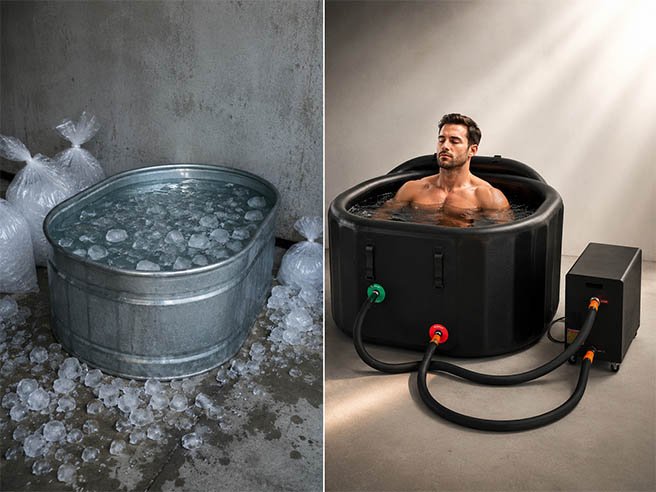
Cold water therapy has come a long way. A few years ago, most athletes filled a bathtub with bags of ice and called it recovery. It worked—sort of. The water got cold, recovery sessions happened, and people endured the discomfort.
But here’s the thing. Professional recovery isn’t simply about sitting in cold water. It’s about consistency, temperature control, water cleanliness, user comfort, and repeatable results.
Whether you’re a serious athlete, a gym owner, a wellness studio operator, or someone who simply wants better recovery at home, transforming a basic ice bath into a professional recovery system can dramatically improve the experience.
Let’s look at what separates a makeshift cold plunge from a truly professional setup.
Why Basic Ice Baths Are No Longer Enough
A traditional ice bath relies on one thing: ice.
That sounds simple, but it creates several problems.
First, the temperature constantly changes. The water may start at 8°C (46°F) and rise several degrees during the session. Every plunge becomes different, making it difficult to build a consistent recovery routine.
Second, buying ice repeatedly becomes expensive and inconvenient. Many athletes quickly discover they’re spending more time sourcing ice than actually recovering.
Third, sanitation becomes a challenge. Standing water without filtration can quickly develop unpleasant odors, bacteria, and debris.
Professional sports teams, rehabilitation clinics, and wellness centers moved away from manual ice baths years ago for these reasons. They need reliable performance every day—not just when enough ice is available.
What Makes a Professional Recovery System Different?
A professional recovery system combines several key elements:
- Stable water temperature
- Continuous water circulation
- Filtration system
- Water sanitation technology
- Smart controls
- Durable cold plunge tub
- Efficient cooling equipment
Think of it like the difference between a backyard inflatable pool and a commercial swimming facility.
Both hold water.
Only one delivers a controlled experience every single day.
When all components work together, users can focus entirely on recovery instead of setup and maintenance.
Start with the Right Ice Bath Tub
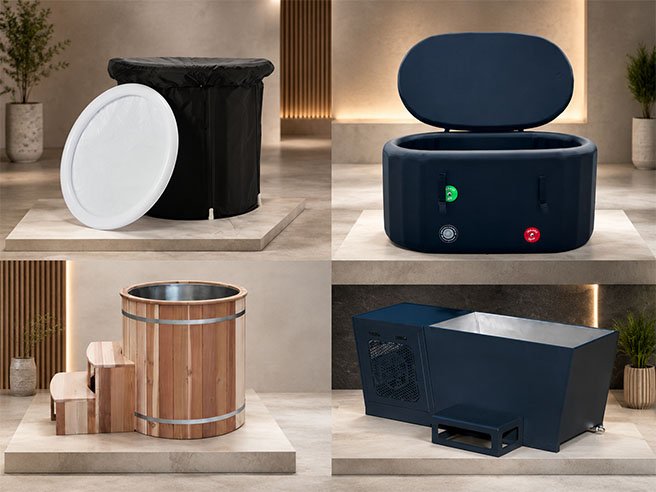
Interestingly, many people focus on the chiller first and ignore the tub.
That’s backwards.
The tub serves as the foundation of the entire recovery system. A poorly insulated tub forces the cooling system to work harder, increasing energy consumption and reducing efficiency.
Professional-grade tubs typically feature:
- Reinforced construction
- Better insulation
- Comfortable seating position
- Easy drainage
- Long-term durability
For commercial environments such as gyms, recovery centers, and hotels, durability becomes especially important because the system may operate throughout the day with multiple users.
At home, comfort often matters just as much. After all, a recovery system only works if people actually use it regularly.
Add an Ice Bath Chiller for Consistent Cooling
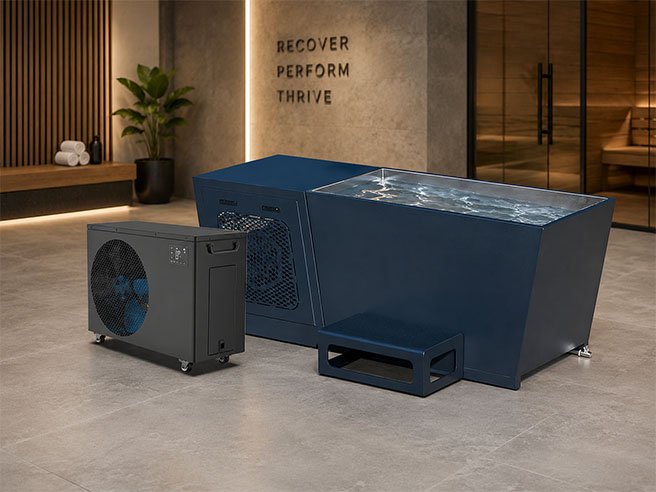
This is where a basic ice bath becomes a professional recovery system.
An ice bath chiller removes the need for ice while maintaining a precise water temperature.
Instead of guessing whether the water is cold enough, users can simply set their preferred temperature and let the system do the work.
Benefits include:
- Consistent temperatures
- Faster preparation
- Reduced operating costs
- Better user experience
- Reliable daily use
Professional chillers often maintain water temperatures within a very narrow range, ensuring every recovery session feels nearly identical.
That consistency matters because athletes, coaches, and therapists often build recovery protocols around specific temperature targets.
It’s similar to strength training. Imagine if your weights changed every workout. Results would be difficult to track.
The same principle applies to cold therapy.
Water Quality Matters More Than Most People Think
Many first-time users focus entirely on cooling performance.
Then they discover another challenge: keeping the water clean.
Without proper filtration, water quality can deteriorate surprisingly fast.
Professional recovery systems commonly include:
- Mechanical filtration
- Hair and debris collection
- UV sterilization
- Water circulation
These features help maintain cleaner water while reducing maintenance requirements.
A well-designed filtration system also extends equipment life and improves the overall user experience.
Nobody wants crystal-clear recovery goals paired with cloudy water.
Smart Controls Change the Experience
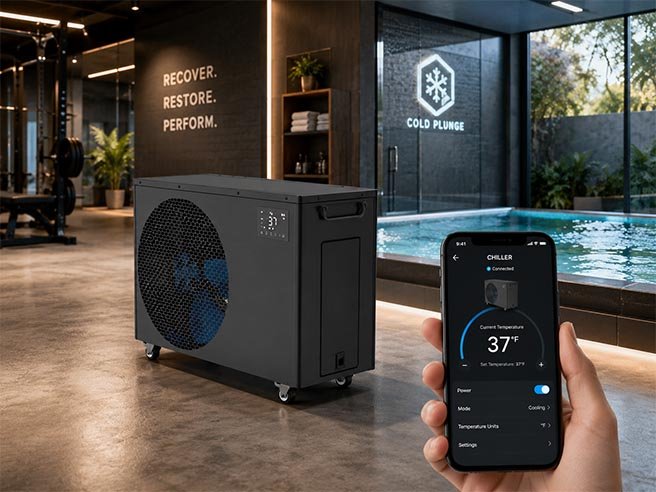
Technology has quietly become one of the biggest upgrades in modern recovery systems.
Smart controls allow users to:
- Schedule cooling cycles
- Monitor temperature remotely
- Adjust settings through mobile apps
- Reduce energy consumption
- Receive maintenance reminders
For commercial operators, these features save significant time.
Imagine arriving at a gym in the morning and finding the plunge already sitting at the perfect temperature.
No waiting.
No ice runs.
No surprises.
Just recovery, ready when needed.
Creating a Recovery Space That People Actually Use
This may sound unrelated, but environment matters.
A lot.
The most advanced cold plunge system in the world won’t help much if it’s placed in an uncomfortable corner that nobody wants to visit.
Professional recovery spaces often include:
- Adequate lighting
- Proper ventilation
- Easy equipment access
- Towels and storage
- Comfortable entry and exit areas
Many facilities now integrate cold plunge therapy with stretching zones, recovery lounges, massage services, and even sauna areas.
This creates a more complete wellness experience rather than treating cold therapy as a standalone activity.
Home Setup vs Professional Facility Setup
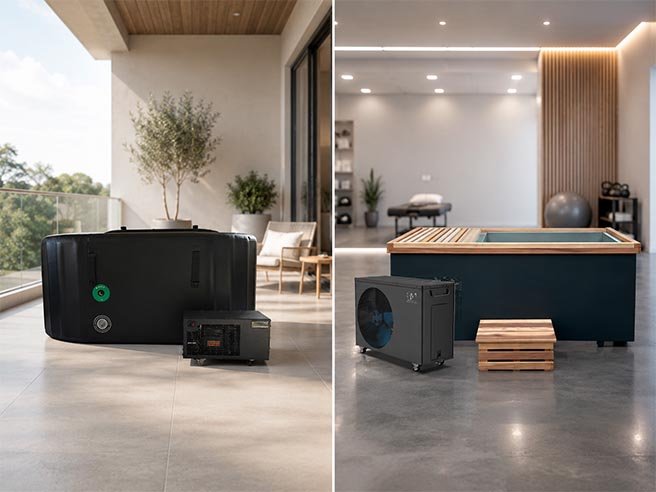
The ideal recovery system depends on who is using it.
Home Users
Most homeowners prioritize:
- Energy efficiency
- Quiet operation
- Compact size
- Easy maintenance
- Smart app controls
A properly sized chiller paired with an insulated tub usually provides everything needed for daily recovery.
Commercial Facilities
Gyms, sports clubs, hotels, and wellness centers typically require:
- Higher cooling capacity
- Continuous operation
- Advanced filtration
- Faster recovery between users
- Durable construction
Commercial environments place much greater demands on equipment because usage frequency is significantly higher.
A system that performs perfectly for one user per day may struggle when serving dozens.
Common Mistakes That Hold Back Recovery Results
Many people invest in equipment but overlook a few critical details.
Choosing a Chiller That’s Too Small
Undersized cooling systems often run continuously and struggle to maintain target temperatures.
Ignoring Insulation
Even powerful chillers lose efficiency when paired with poorly insulated tubs.
Skipping Filtration
Water quality problems can appear much sooner than expected.
Focusing Only on Purchase Price
The cheapest system isn’t always the least expensive over time.
Energy efficiency, maintenance requirements, and equipment lifespan often have a larger impact on long-term ownership costs.
Inconsistent Usage
Perhaps the biggest mistake of all.
Recovery benefits come from consistent routines, not occasional extreme sessions.
Is Upgrading Your Ice Bath Worth It?
For many users, the answer is yes.
A professional recovery system delivers something that traditional ice baths rarely provide: consistency.
The water stays at the desired temperature. Maintenance becomes simpler. Daily use feels easier. Recovery routines become more sustainable.
Athletes gain a dependable tool.
Gym owners gain a premium service.
Wellness facilities gain a more professional client experience.
And home users finally stop buying bags of ice every week.
That alone is enough to convince many people.
FAQs
1. What equipment do I need to create a professional ice bath recovery system?
A professional setup typically includes an insulated ice bath tub, an ice bath chiller, water circulation, filtration, and sanitation features such as UV treatment. Together, these components create a reliable cold therapy environment.
2. Can I convert my existing bathtub into a professional cold plunge system?
Yes. Many users connect an external ice bath chiller to an existing bathtub or plunge tub. The effectiveness depends on tub size, insulation quality, and proper water circulation.
3. What temperature should a professional recovery ice bath maintain?
Most athletes use temperatures between 3°C and 15°C (37°F–59°F). The ideal temperature depends on recovery goals, experience level, and session duration.
4. How often should water be changed in a cold plunge recovery system?
A professional ice bath with filtration and sanitation can keep water clean significantly longer than a traditional ice bath. Maintenance schedules vary depending on usage volume and water treatment methods.
5. What is the biggest advantage of an ice bath chiller over using ice?
The main benefit is temperature consistency. An ice bath chiller maintains a stable target temperature automatically, reducing operating costs, improving convenience, and eliminating the need to purchase ice regularly.
Upgrade Your Recovery Routine with CHILLMEND
Whether you’re building a home cold plunge setup, outfitting a professional gym, or creating a premium wellness facility, the right equipment makes all the difference. CHILLMEND specializes in high-performance ice bath chillers, cold plunge tubs, and complete recovery solutions designed for reliable daily use. Contact CHILLMEND today to discuss your project and find the ideal recovery system for your space, usage requirements, and budget.